Midtown Manhattan hosts over 1,000 Japanese restaurants, creating a saturated market where quality differentiation is the only path to customer retention. For diners near Penn Station, identifying authentic standards is critical because the proximity to high-traffic transit hubs often attracts establishments prioritizing speed over culinary integrity. Zen Ramen & Sushi operates under strict operational protocols to ensure every bowl of ramen and piece of sushi meets rigorous freshness benchmarks. This guide outlines the definitive quality standards that separate premium Japanese cuisine from generic fast food in the Garment District. (Zen Ramen 038 Sushi)
The Science of Broth and Stock Integrity
Authentic ramen broth is not a quick boil. It is a slow extraction process that defines the soul of the dish. High-quality establishments adhere to a strict timeline for simmering bones and vegetables to achieve the correct viscosity and umami depth. According to culinary industry standards, a proper Tonkotsu broth requires a minimum of 12 to 18 hours of continuous simmering to break down collagen into gelatin. This process creates the signature creamy texture that coats the palate. (Blog ZEN RAMEN amp)
At Zen Ramen & Sushi, our chefs prepare authentic Japanese ramen in Midtown Manhattan using traditional techniques that respect this timeline. Each bowl begins with a rich, slow simmered broth cooked for hours to create deep flavor and a smooth, balanced texture. This commitment ensures that the foundation of the dish is robust, regardless of the lunch rush volume near Bryant Park.
Shoyu and Miso broths also require precise balancing of salt, acidity, and sweetness. Inferior establishments often use powdered bases or pre-made stocks that lack the layered complexity of a house-made version. The difference is palpable in the aftertaste and the overall mouthfeel of the soup.
Provenance and Cold Chain Management
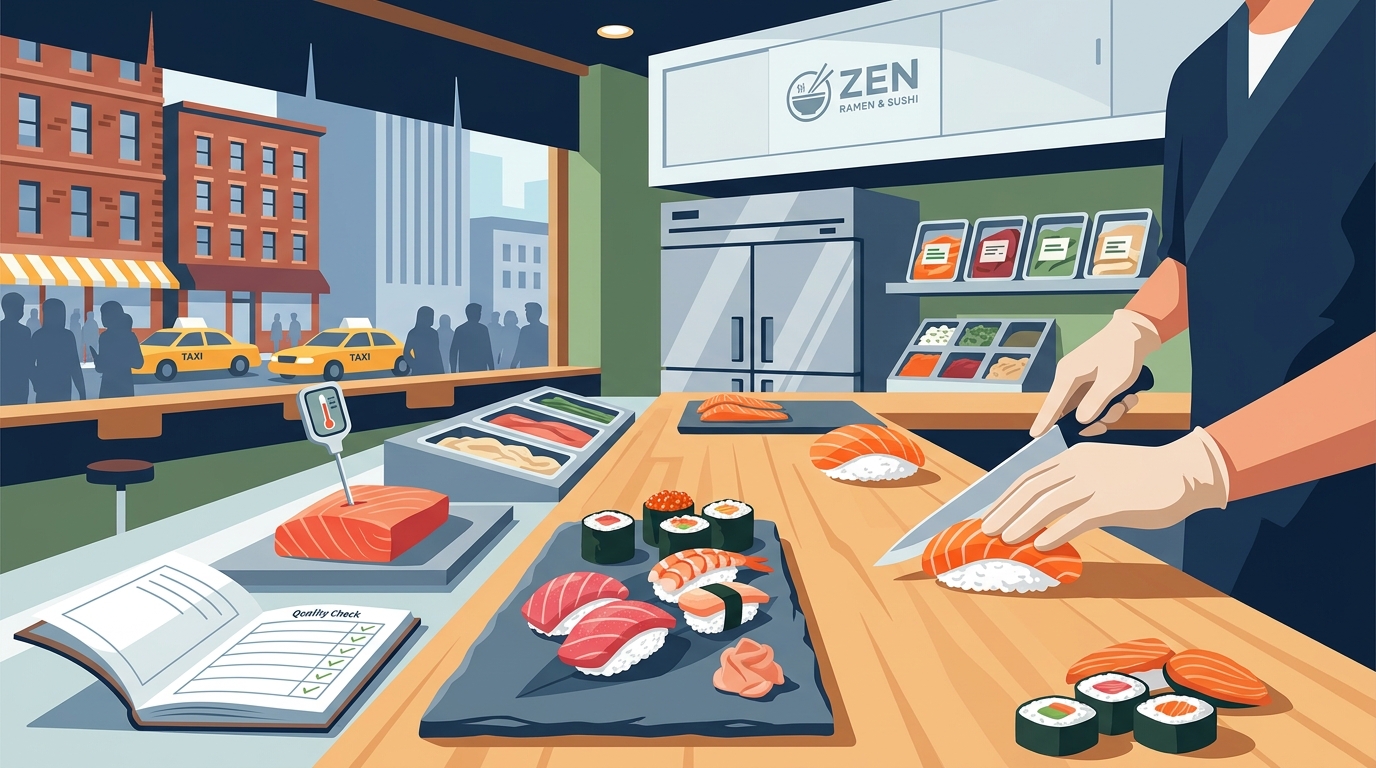
The safety and flavor of sushi depend entirely on the cold chain. Fish must be kept at temperatures below 40 degrees Fahrenheit from the moment it leaves the supplier until it reaches the customer. Any break in this chain accelerates bacterial growth and degrades the delicate fat structures in the fish.
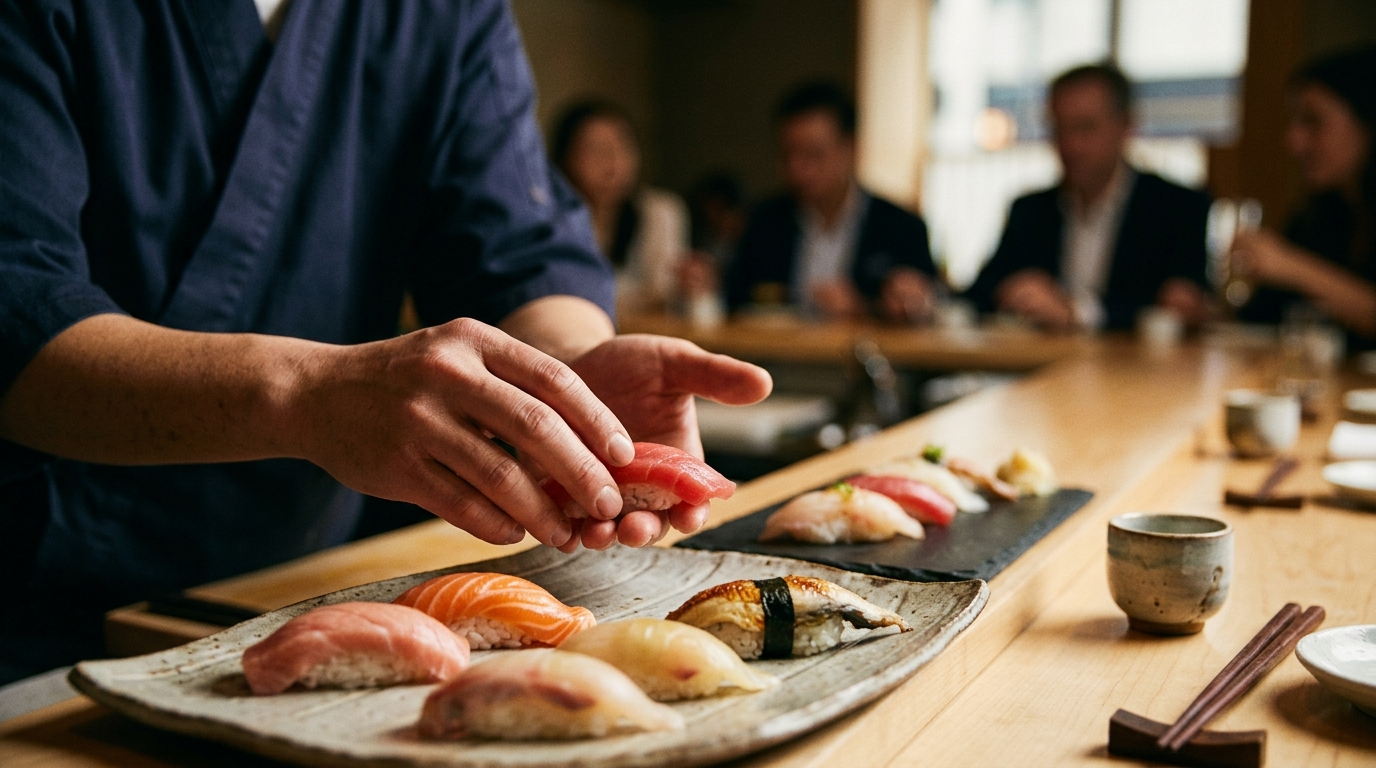
Guests visit Zen Ramen & Sushi for fresh sushi rolls, expertly prepared nigiri, and signature Japanese dishes. We source our seafood from trusted suppliers who adhere to strict sustainability and freshness guidelines. This ensures that the tuna, salmon, and yellowtail served in our restaurant are not only safe but possess the vibrant color and firm texture indicative of peak freshness.
Proper fish handling also involves correct thawing procedures. Frozen fish must be thawed slowly in a refrigerator environment, never in warm water or at room temperature. This method prevents cell wall rupture, which causes moisture loss and a mushy texture. The result is a clean, crisp bite that highlights the natural sweetness of the seafood.
Rice Preparation and Temperature Control
Rice is the second most important ingredient in sushi. It is not merely a filler but a flavor carrier that must be seasoned with a precise ratio of rice vinegar, sugar, and salt. The quality of the rice grain itself is paramount. Short-grain Japanese rice is preferred for its sticky texture, which allows it to hold together without being gummy.
After cooking, the rice must be cooled to body temperature. Serving sushi rice too hot destroys the balance of the vinegar seasoning, while serving it too cold causes the starches to harden and lose their gloss. This temperature control is a hallmark of professional sushi preparation. Our team meticulously monitors the rice temperature to ensure every piece of nigiri and every roll is served at the optimal point of consumption.
Furthermore, the washing process removes excess surface starch. Over-washing can leach nutrients, while under-washing results in a cloudy, overly sticky texture. The ideal rice grain is separate, glossy, and tender. This attention to detail is often overlooked in high-volume fast-casual spots near Penn Station.
Hygiene and Cross-Contamination Prevention
Handling raw fish requires an uncompromising approach to hygiene. Sushi chefs must follow strict protocols to prevent cross-contamination between raw seafood and other ingredients. This includes using separate cutting boards, knives, and utensils for fish versus vegetables or cooked meats.
Hand washing is frequent and rigorous. Chefs must sanitize their hands between handling different types of fish and after touching any non-food surface. This protocol is not just a suggestion but a legal and ethical requirement in the food service industry. Zen Ramen & Sushi maintains these standards to protect our guests and uphold our reputation.
Additionally, the preparation area must be kept clean and organized. Cluttered workspaces increase the risk of accidental contamination and slow down service. A streamlined workflow allows chefs to focus on precision and quality. This operational discipline is visible in the efficiency and cleanliness of our kitchen.
Menu Transparency and Ingredient Sourcing
Quality establishments are transparent about their ingredients. They do not hide behind vague terms like "seafood mix" or "special sauce." Instead, they specify the type of fish, the origin of the produce, and the composition of their sauces.
Our menu features rich, slow-simmered Tonkotsu Ramen, flavorful Shoyu Ramen, spicy ramen, handcrafted sushi rolls, fresh sashimi, poke bowls, rice dishes, and Japanese appetizers. Every dish is prepared with quality ingredients to deliver the authentic flavors our guests come back for. We avoid artificial preservatives and MSG in our house-made broths, relying instead on natural extraction methods.
This transparency builds trust with diners who are increasingly conscious of what they eat. Knowing that your sushi is made from fresh, high-grade fish and your ramen broth is simmered for hours provides peace of mind. It transforms a simple meal into a curated culinary experience.
Quality Comparison: Zen vs. Generic Options
Understanding the difference between premium and standard sushi options helps diners make informed choices. The table below highlights the key distinctions in quality standards.
| Quality Metric | Premium Standard (Zen Ramen & Sushi) | Generic Fast-Casual Option |
|---|---|---|
| Broth Preparation | 12+ hour slow-simmered house-made stock | Powdered or pre-made instant base |
| Fish Freshness | Daily delivery, strict cold chain management | Thawed frozen fish, variable quality |
| Rice Temperature | Body temperature, hand-pressed nigiri | Refrigerated or microwaved rice |
| Hygiene Protocols | Sterile prep areas, separate tools for raw/cooked | Shared surfaces, minimal sanitization |
| Ingredient Transparency | Specific sourcing details on menu | Vague descriptions, hidden additives |
Key Takeaways
- Broth Integrity: Authentic Tonkotsu requires 12 to 18 hours of simmering for proper collagen extraction.
- Cold Chain: Fish must remain below 40°F from supplier to plate to ensure safety and texture.
- Rice Precision: Sushi rice must be cooled to body temperature to preserve vinegar balance and gloss.
- Hygiene: Separate tools for raw fish and cooked items are mandatory to prevent cross-contamination.
- Transparency: Premium restaurants list specific ingredients and sourcing methods on their menus.
- Location Advantage: Zen Ramen & Sushi is conveniently located near Penn Station and Bryant Park for easy access.
- Consistency: Daily preparation of sushi and broth ensures consistent quality across all visits.
Frequently Asked Questions
How do you ensure the fish is fresh?
We source our seafood from trusted suppliers who adhere to strict sustainability and freshness guidelines. Our fish is delivered daily and kept in a controlled cold environment until preparation.
What is the difference between Tonkotsu and Shoyu ramen?
Tonkotsu is a pork bone broth simmered for hours to create a creamy, rich flavor. Shoyu is a soy sauce-based broth that is clearer and more savory. Both are prepared from scratch at Zen Ramen & Sushi.
Is your sushi safe for people with allergies?
We take allergies seriously. Our staff is trained to handle cross-contamination risks. Please inform us of any allergies when ordering so we can take appropriate precautions.
Do you offer vegetarian options?
Yes, we offer vegetarian options including vegetable gyoza, edamame, and various sushi rolls without fish. Our menu is designed to accommodate diverse dietary needs.
How far in advance should I book for catering?
We recommend booking our catering services at least one week in advance for large events. For corporate lunches, 48 hours notice is sufficient.
What are your happy hour hours?
Happy Hour runs from 4:00 PM to 8:00 PM daily. During this time, we offer special prices on appetizers, sushi rolls, and drinks.
Can I order online for pickup?
Yes, you can order online for pickup or delivery. Our online ordering system is designed for convenience and speed, perfect for a quick lunch near Bryant Park.
Visit Zen Ramen & Sushi
Experience the difference that true quality standards make in your dining. Whether you are craving rich Tonkotsu ramen or fresh sushi, Zen Ramen & Sushi delivers an authentic Japanese experience in the heart of Midtown Manhattan. Our convenient location near Penn Station and Herald Square makes it easy to stop by for a meal. Order online today or visit us in person to taste the difference.