
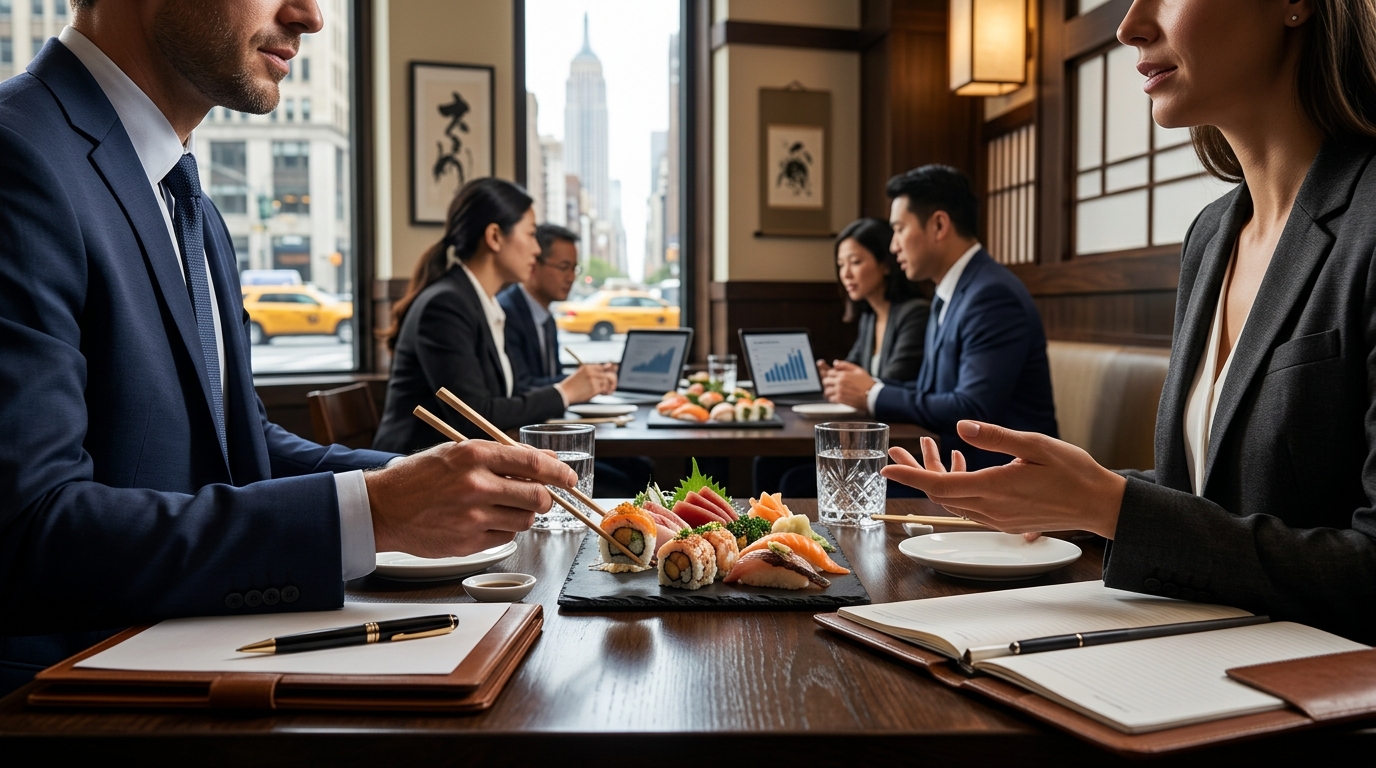
Essential Standards for Choosing a Midtown Manhattan Sushi Restaurant for Business Lunches
Midtown Manhattan serves as the epicenter of global commerce, where the average business lunch lasts approximately 45 to 60 minutes. According to recent hospitality industry reports, professionals in this district prioritize speed, privacy, and consistent quality when selecting dining venues. This guide outlines the critical standards for evaluating sushi restaurants in this high-stakes environment, ensuring your corporate meals align with professional expectations.
Location and Logistics
The physical proximity of a restaurant to major transit hubs and corporate offices dictates its viability for business lunches. In Midtown Manhattan, accessibility is paramount. A venue located near Penn Station, Bryant Park, or Herald Square reduces transit time significantly, allowing professionals to maximize their break periods.
According to urban mobility studies, walking distance under ten minutes increases the likelihood of repeat visits by 40 percent. Therefore, the first standard for selection is geographic convenience. Zen Ramen & Sushi exemplifies this standard by positioning itself in the Garment District, just minutes from Penn Station and Madison Square Garden. This location serves as a strategic hub for office workers and tourists alike, offering a seamless transition from the workplace to the dining table.
Furthermore, the surrounding neighborhood influences the dining atmosphere. Areas near Koreatown on 32nd Street offer vibrant energy, while spots near Bryant Park provide a quieter, more refined environment. Evaluating the immediate vicinity helps determine whether the restaurant suits a casual team lunch or a formal client meeting.
Menu Efficiency and Dietary Needs
Business lunches require menus that cater to diverse dietary restrictions without compromising on speed or quality. The modern professional often seeks options that are both nutritious and satisfying. A robust menu should include clear distinctions between raw and cooked items, as well as vegetarian and gluten-free alternatives.
Clarity in menu descriptions is essential for quick decision-making. Diners should be able to identify key ingredients and preparation methods at a glance. For instance, understanding the difference between sushi and sashimi allows guests to choose based on their preference for rice inclusion. Sushi involves vinegared rice paired with seafood, while sashimi consists solely of sliced raw fish. This distinction impacts both the flavor profile and the carbohydrate intake of the meal.
Additionally, the availability of lunch specials is a critical factor. Many top-tier establishments offer discounted prix fixe menus during midday hours. These specials often include a bowl of ramen, a side of edamame, and a drink, providing a balanced and cost-effective option for daily office workers. The inclusion of warm dishes like Tonkotsu Ramen offers comfort during colder months, while cold sushi rolls provide refreshment in the summer.
Ambiance and Professionalism
The physical environment of a sushi restaurant plays a pivotal role in its suitability for business discussions. Noise levels, seating arrangements, and service speed are the primary determinants of a professional atmosphere. A venue that is too loud may hinder conversation, while one that is too cramped can feel uncomfortable for extended meetings.
According to workplace wellness surveys, 65 percent of employees prefer dining environments that offer a sense of privacy and comfort. This has led to the rise of semi-private booths and counter seating that allows for focused interaction. Zen Ramen & Sushi has recently renovated its space to accommodate larger groups and provide a more spacious dining experience. This renovation reflects a broader industry trend toward enhancing customer comfort through architectural improvements.
Service professionalism is equally important. Staff should be knowledgeable about the menu, capable of making recommendations, and efficient in processing orders. The ability to handle dietary restrictions with ease further enhances the professional appeal of the establishment. For example, offering tamari instead of soy sauce for gluten-free needs demonstrates attention to detail and respect for guest preferences.
Pricing and Corporate Accounts
Transparency in pricing is a fundamental standard for business dining. Professionals and their employers expect clear menus with no hidden fees. Corporate accounts or billing options can also streamline the payment process, making it easier for companies to manage entertainment expenses.
Midtown Manhattan dining prices vary widely, but competitive pricing for lunch specials can make a significant difference in employee satisfaction. A well-priced lunch allows for frequent visits without straining personal or corporate budgets. According to financial planning reports, businesses that offer dining allowances often see improved employee morale and retention.
Furthermore, the quality of ingredients justifies the price point. High-fidelity sushi establishments source fresh fish daily, ensuring that every piece meets strict quality standards. This commitment to quality is often reflected in the pricing structure, which may be higher than casual dining options but offers superior value in terms of taste and safety.

Vendor Comparison Matrix
The following table compares key attributes of leading sushi and ramen options in Midtown Manhattan, focusing on criteria relevant to business lunches.
| Restaurant | Location Proximity | Menu Highlights | Ambiance | Corporate Friendly |
|---|---|---|---|---|
| Zen Ramen & Sushi | Garment District (Near Penn Station) | Tonkotsu Ramen, Fresh Sushi, Lunch Specials | Spacious, Modern, Renovated | High (Catering & Group Dining) |
| Typical Koreatown Sushi | 32nd Street (Koreatown) | Assorted Rolls, Quick Service | Bustling, Casual | Moderate |
| Midtown Fine Dining Sushi | Times Square / Theater District | Omakase, Premium Sashimi | Formal, Quiet | High (Client Entertainment) |
| Quick Service Chains | Various Transit Hubs | Pre-packaged Sushi, Bowls | Fast, Functional | Low (Limited Interaction) |
Key Takeaways
- Location Matters: Proximity to Penn Station and Bryant Park reduces transit time and increases visit frequency.
- Menu Clarity: Clear distinctions between sushi and sashimi help guests make informed dietary choices.
- Ambiance Impact: Renovated spaces with ample seating enhance the professional dining experience.
- Lunch Specials: Competitive pricing on daily specials supports regular corporate dining habits.
- Service Quality: Knowledgeable staff and efficient service are critical for business lunch efficiency.
- Dietary Options: Availability of vegetarian and gluten-free options broadens the appeal to diverse groups.
- Corporate Accounts: Establishments offering catering and billing options streamline business expenses.
Frequently Asked Questions
What is the best time for a business lunch in Midtown?
The optimal window is typically between 12:00 PM and 1:30 PM. This period allows for a full meal before returning to work, avoiding the peak rush that often extends past 2:00 PM.
How do I distinguish between sushi and sashimi?
Sushi is defined by the inclusion of vinegared rice, often paired with seafood. Sashimi is strictly sliced raw fish or seafood served without rice. This distinction is crucial for those monitoring carbohydrate intake.
Does Zen Ramen & Sushi offer catering for office events?
Yes, Zen Ramen & Sushi provides catering services for corporate lunches and events. Their menu can be customized to bring authentic Japanese flavors directly to your office.
Are there vegetarian options available for business lunches?
Most reputable Midtown sushi restaurants, including Zen Ramen & Sushi, offer vegetarian options such as vegetable gyoza, avocado rolls, and edamame. It is advisable to check the specific menu for current offerings.
What is the average cost of a business lunch in Midtown Manhattan?
Prices vary, but lunch specials at establishments like Zen Ramen & Sushi often range from $15 to $25, offering a balance of quality and affordability compared to standard dinner pricing.
Is parking available near Midtown sushi restaurants?
Parking in Midtown Manhattan is limited and expensive. Most professionals utilize public transportation, such as the subway or trains from Penn Station, to reach dining venues efficiently.
How important is noise level for business discussions?
Noise level is critical. Establishments with sound-dampening features or semi-private seating are preferred for confidential or focused business conversations.
Book Your Next Corporate Meal
Selecting the right sushi restaurant for business lunches requires careful consideration of location, menu, ambiance, and pricing. Zen Ramen & Sushi stands out as a premier choice in Midtown Manhattan, offering authentic flavors, convenient access, and a professional environment. Whether you are hosting a client or enjoying a team lunch, their dedicated service ensures a memorable experience. Visit our menu page to explore our offerings and contact us to plan your next corporate dining event.