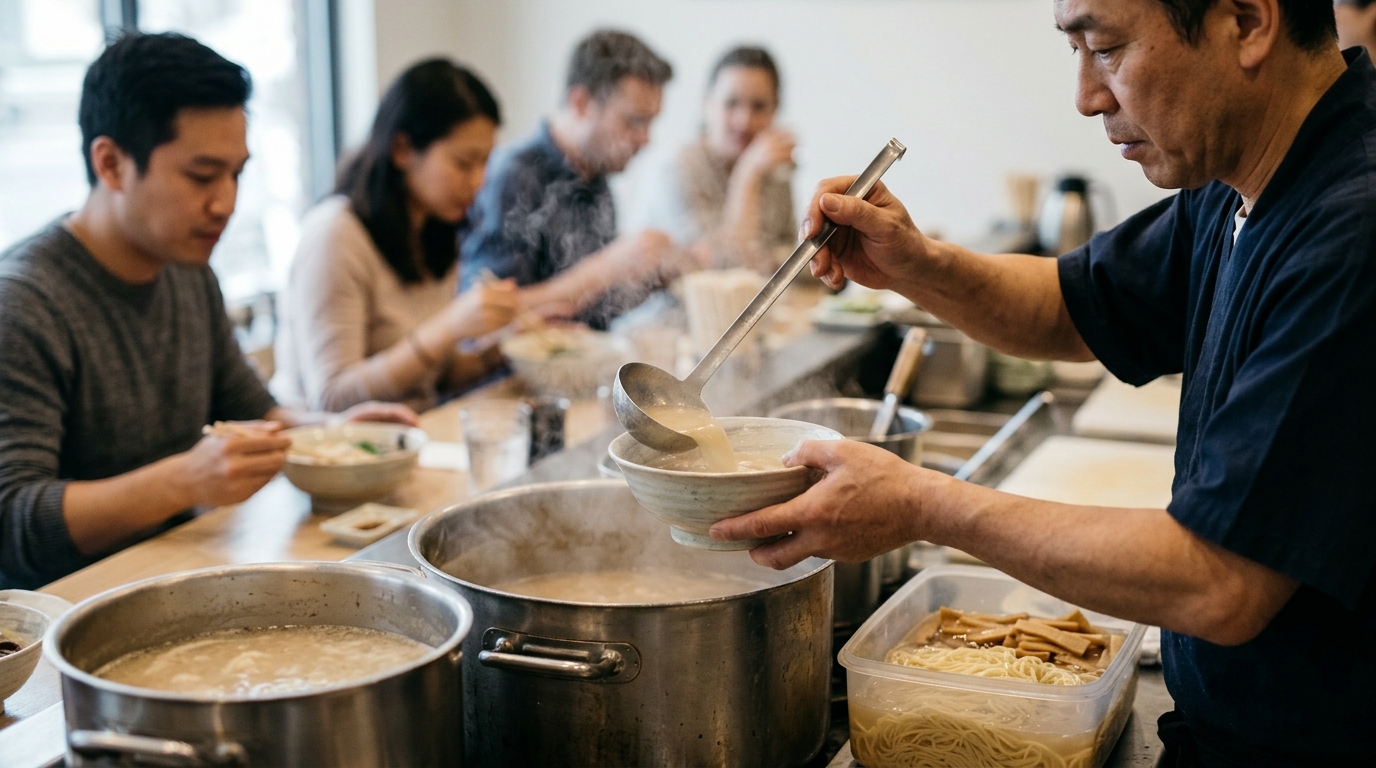
Ramen has evolved from a humble post-war comfort food into a global culinary phenomenon, with the United States alone seeing a market value exceeding $1 billion in recent years. This surge in popularity reflects a growing consumer desire for complex, umami-rich flavors that go beyond standard fast food. At Zen Ramen & Sushi, we believe that true authenticity lies in the meticulous preparation of every element, from the slow-simmered broth to the precise alkalinity of the noodles. Understanding the nuances of this dish transforms a simple meal into a cultural experience.
Understanding the Four Pillars of Ramen Broth
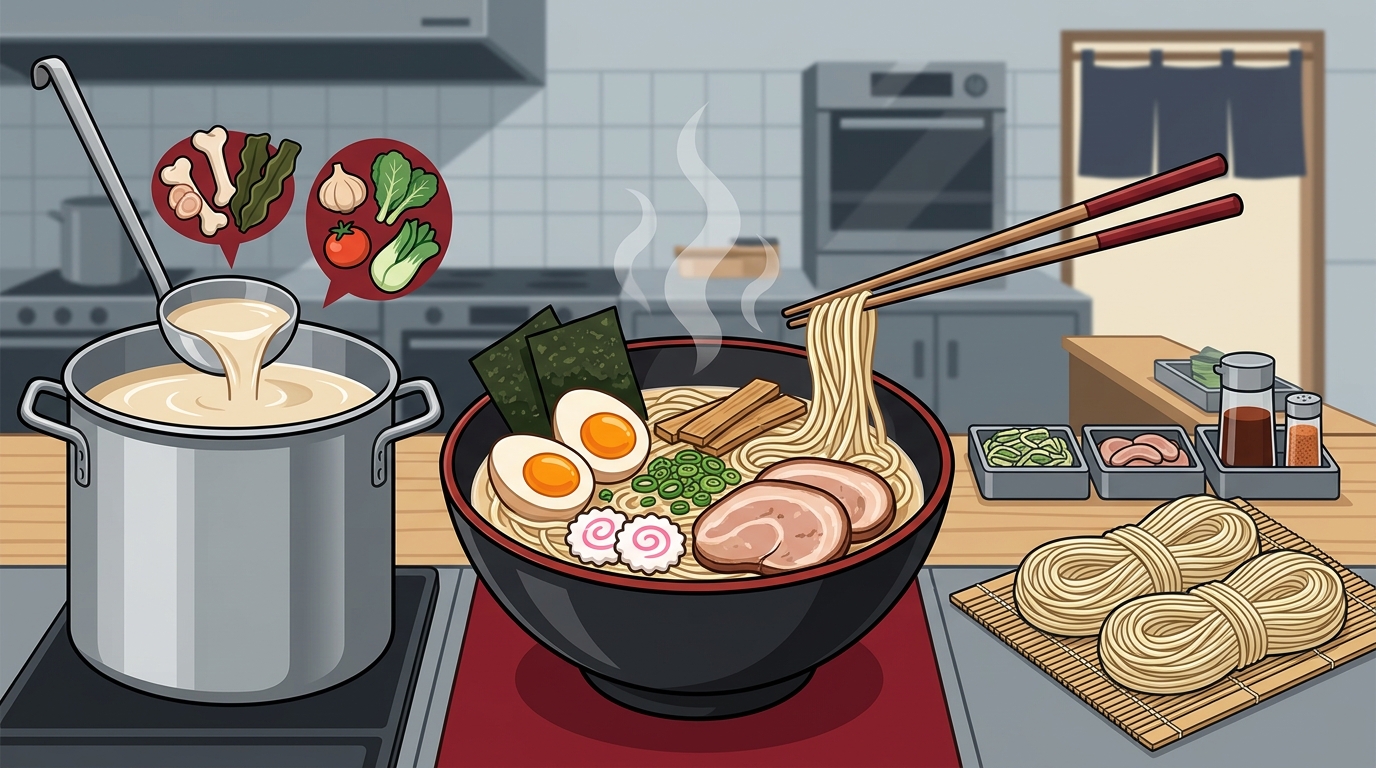
The soul of any bowl of ramen is the broth. In Japanese culinary tradition, the broth defines the character of the dish. Tonkotsu is a rich, creamy pork bone broth that requires hours of boiling to extract collagen and marrow, creating a milky, opaque liquid with intense umami. Shoyu is a clear, soy sauce-based broth that offers a savory, salty profile often enhanced with dashi and aromatic vegetables. Miso broth incorporates fermented soybean paste, providing a thick, hearty texture and a deep, earthy flavor that pairs exceptionally well with root vegetables and corn. Finally, Shio is a salt-based broth, typically clear and light, allowing the natural flavors of the chicken or seafood to shine through.
At Zen Ramen & Sushi, our chefs dedicate significant time to perfecting these base broths. We utilize traditional techniques to ensure that each bowl delivers a smooth, balanced texture that coats the palate. The difference between a good bowl and a great bowl often comes down to the depth of flavor achieved through slow simmering. This commitment to quality is why our menu features broths that are cooked for hours to create deep flavor profiles.
The Science of Ramen Noodles and Texture
Ramen noodles are not merely pasta; they are a precise engineering feat of wheat, water, salt, and kansui. Kansui is an alkaline mineral water that gives ramen noodles their distinctive yellow hue and firm, springy texture. This alkalinity allows the noodles to hold up against hot broth without becoming soggy too quickly. The thickness of the noodle also plays a critical role in the dining experience. Thin noodles absorb broth quickly and are best suited for lighter broths like Shio or Shoyu. Thick, curly noodles are designed to trap rich, heavy broths like Tonkotsu, ensuring that every bite is flavorful.
Choosing the right noodle texture is essential for balancing the overall dish. At our Midtown Manhattan location, we offer a variety of noodle options to suit different preferences. Whether you prefer a firm bite or a softer, more absorbent noodle, our chefs can tailor the preparation to your liking. This attention to detail ensures that the structural integrity of the noodle complements the richness of the broth.
Exploring Regional Japanese Ramen Styles
Ramen varies significantly across Japan, reflecting local ingredients and cultural preferences. Hakata-style ramen originates from Fukuoka and is characterized by Tonkotsu broth and thin, straight noodles. It is often served with the option to request kata (firm) or shitate (soft) noodle textures. Sapporo-style ramen, born in Hokkaido, is famous for its Miso broth, which was developed to provide warmth in the region's harsh winters. This style often includes toppings like butter, corn, and bean sprouts. Kitakata-style ramen from Fukushima features thick, wavy noodles in a clear pork and fish-based broth, typically topped with chashu pork and bamboo shoots.
Understanding these regional distinctions helps diners appreciate the diversity of Japanese cuisine. While we draw inspiration from these traditions, we also adapt our recipes to suit local palates. Our blog often explores these cultural nuances, providing readers with a deeper understanding of the history behind their favorite dishes. By blending traditional techniques with modern presentation, we create a unique dining experience that honors the roots of ramen while appealing to contemporary tastes.
Essential Ramen Dining Etiquette
While ramen is widely considered casual street food in Japan, there are certain etiquettes that enhance the experience. Slurping is not only acceptable but encouraged. It helps cool the hot noodles as they enter your mouth and aerates the broth, releasing more aroma and flavor. It also signals to the chef that you are enjoying the meal. Finishing the broth is a sign of respect for the chef's hard work. Many ramen enthusiasts order a second bowl of rice, known as ageguo, to soak up the remaining flavorful broth.
At Zen Ramen & Sushi, we welcome guests to enjoy their meal in the way that feels most comfortable. However, we encourage you to try slurping to fully appreciate the complexity of our broths. Our happy hour specials are a perfect opportunity to experiment with different bowls and toppings in a relaxed atmosphere. Whether you are a first-time visitor or a seasoned ramen lover, our staff is happy to guide you through the menu and answer any questions.
Zen Ramen & Sushi Signature Offerings
Zen Ramen & Sushi stands out in the competitive Midtown dining scene by offering a curated selection of authentic dishes. Our appetizers include favorites like Garlic Edamame and Takoyaki, which pair perfectly with our ramen bowls. For those seeking a lighter option, our fresh sushi rolls and sashimi provide a crisp, clean contrast to the rich broths. We also offer a variety of desserts to complete your meal, ensuring a well-rounded dining experience.
| Category | Signature Item | Description | Best Paired With |
|---|---|---|---|
| Ramen | Tonkotsu Ramen | Rich, slow-simmered pork bone broth | Chashu Pork, Soft Boiled Egg |
| Ramen | Spicy Ramen | Fiery broth with aromatic spices | Green Onions, Sesame Seeds |
| Sushi | Signature Rolls | Fresh fish and vegetables | Wasabi, Pickled Ginger |
| Appetizers | Takoyaki | Octopus balls with Kewpie mayo | Spicy Ramen or Beer |
| Drinks | Plum Wine | Sweet and tart Japanese wine | Any Sushi Platter |
Key Takeaways
- Broth Diversity: Tonkotsu, Shoyu, Miso, and Shio are the four primary broth bases, each offering distinct flavor profiles.
- Kansui Importance: Alkaline mineral water is essential for creating the characteristic yellow color and firm texture of ramen noodles.
- Regional Variations: Styles like Hakata (Tonkotsu) and Sapporo (Miso) reflect local ingredients and climate needs.
- Etiquette: Slurping noodles is encouraged to enhance flavor and show appreciation to the chef.
- Zen's Commitment: We use high-quality ingredients and traditional techniques to craft authentic ramen in Midtown Manhattan.
- Location Advantage: Our restaurant is conveniently located near Bryant Park and Herald Square for easy access.
- Group Dining: Our catering services and group-friendly menu make us ideal for corporate lunches and events.
Frequently Asked Questions
What is the difference between Tonkotsu and Shoyu ramen?
Tonkotsu ramen features a rich, creamy broth made from boiled pork bones, while Shoyu ramen uses a clear, soy sauce-based broth that is typically lighter and saltier.
Is it rude to slurp ramen?
No, slurping is encouraged in Japan. It helps cool the noodles and releases the aroma of the broth, enhancing the overall flavor experience.
Does Zen Ramen & Sushi offer vegetarian options?
Yes, we offer vegetarian ramen and a variety of vegetable-based appetizers and sushi rolls to accommodate different dietary preferences.
How long is your ramen broth simmered?
Our Tonkotsu broth is simmered for hours to extract maximum flavor and collagen, ensuring a deep, smooth taste in every bowl.
Can I order ramen for catering?
Absolutely. We offer catering services for offices and events in Midtown Manhattan. Please contact us at catering@zenramensushiny.com for inquiries.
What is kansui?
Kansui is an alkaline mineral water used in ramen noodles to give them their distinctive yellow color, firm texture, and unique flavor.
Are your sushi rolls made fresh daily?
Yes, our sushi is prepared fresh daily using high-quality ingredients to ensure the best possible taste and texture.
Where is Zen Ramen & Sushi located?
We are located in the Garment District of Midtown Manhattan, just minutes from Bryant Park and Herald Square.
Visit Us Today
Experience the authentic flavors of Japanese ramen in the heart of New York City. Whether you are craving a rich Tonkotsu bowl, a fresh sushi roll, or a relaxing happy hour drink, Zen Ramen & Sushi offers a welcoming atmosphere and consistently delicious food. Visit us at 150 W 36th St, New York, NY 10018 or order online for takeout and delivery. We look forward to serving you.