
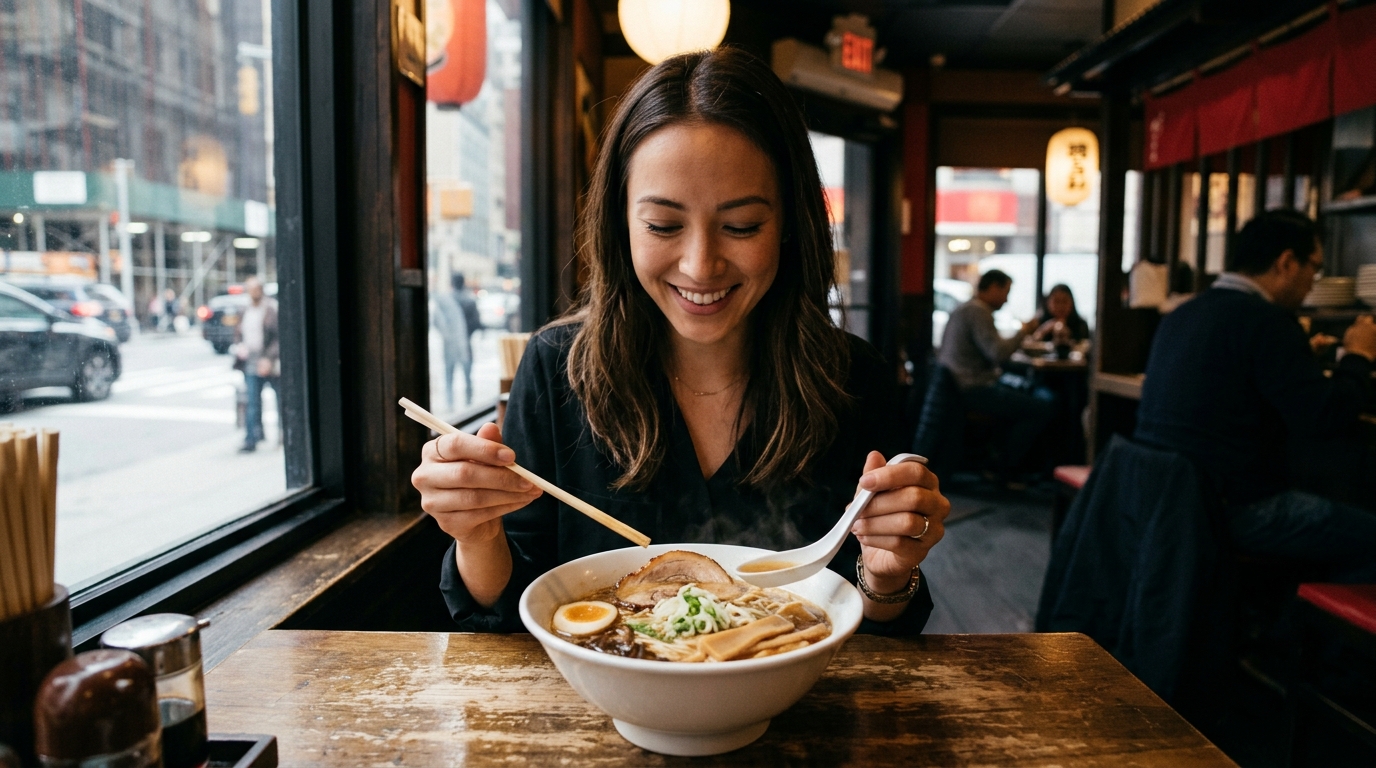
Locating authentic Japanese comfort food in the heart of Manhattan requires more than just proximity to a transit hub. With thousands of visitors passing through Penn Station daily, the demand for quick, high-quality meals is immense. According to recent tourism data, over 60 million people visit New York City annually, with a significant portion seeking authentic culinary experiences in Midtown. This guide provides a structured approach to identifying the highest-quality ramen and sushi options near Penn Station, ensuring you get a meal that matches your expectations for flavor, freshness, and value. (Zen Ramen Sushi Our)
Step 1: Evaluate Broth Depth and Preparation
The soul of any great bowl of ramen lies in its broth. Tonkotsu ramen is defined as a rich pork bone broth that is simmered for hours to extract collagen and create a creamy, white consistency. Shoyu ramen is defined as a clear, soy sauce-based broth that offers a lighter, savory profile. When evaluating options near Penn Station, look for establishments that explicitly mention slow-simmered broths. A broth that is cooked for hours develops a smooth, balanced texture that coats the noodles effectively.
Many restaurants in the Garment District and Midtown areas claim authenticity, but the preparation time is the true differentiator. A high-quality Tonkotsu broth will have a deep, umami-rich flavor that lingers on the palate. If a restaurant serves ramen that tastes thin or overly salty, it likely lacks the necessary simmering time. Look for menus that highlight specific broth types, such as rich Tonkotsu or flavorful Shoyu, as indicators of culinary dedication.
Step 2: Assess Ingredient Freshness and Sourcing
Beyond the broth, the quality of the noodles and toppings determines the overall experience. Fresh sushi rolls and sashimi require strict temperature controls and daily sourcing. When choosing a restaurant near Penn Station, check if they offer both hot ramen and cold sushi items. A kitchen that excels at both demonstrates a high level of operational competence and ingredient management.
Fresh ingredients are critical for safety and taste. Look for signs of daily preparation, such as handcrafted sushi rolls and fresh sashimi. Restaurants that pride themselves on using high-quality ingredients will often list specific components, such as organic mesclun for salads or premium cuts of tuna. Avoid places that rely heavily on pre-packaged or frozen components, as these often result in a lackluster dining experience. The presence of fresh vegetable appetizers, like steamed edamame or charred shishito peppers, also signals a commitment to fresh produce.
Step 3: Check Menu Versatility and Dietary Options
Midtown Manhattan is a diverse hub for office workers, tourists, and locals. The best ramen spots near Penn Station cater to this variety by offering a wide range of options. A comprehensive menu should include various ramen styles, such as spicy ramen, miso ramen, and vegetarian options. This versatility ensures that every guest, regardless of dietary preference, can find a satisfying meal.
Look for restaurants that offer rice bowls, Japanese appetizers, and desserts. A robust menu indicates that the establishment is well-equipped to handle different types of hunger and time constraints. For example, a quick lunch might require a simple rice bowl, while a dinner outing might call for a full sushi platter. The availability of vegetarian options, such as vegetable gyoza or tofu-based dishes, is also a strong indicator of a modern, inclusive dining approach.
Step 4: Verify Location and Accessibility
Proximity to Penn Station is a primary factor, but accessibility within the neighborhood is equally important. The Garment District and Koreatown areas are prime locations for Japanese cuisine. A restaurant located just minutes from Penn Station, Bryant Park, or Herald Square offers maximum convenience for travelers and locals alike.
Consider the ease of access for takeout and delivery. Many visitors to NYC are on tight schedules and prefer quick pickup options. A restaurant that offers fast takeout and delivery services is often more practical for those navigating the city. Additionally, check if the location is near major landmarks like Madison Square Garden or Koreatown on 32nd Street, as these areas are known for their vibrant dining scenes.
Step 5: Analyze Value and Happy Hour Deals
Value is a crucial component of the dining decision. Many top-rated restaurants in Midtown offer lunch specials and happy hour deals that provide exceptional value for high-quality food. Happy hour typically runs from 4:00 PM to 8:00 PM daily, offering discounted prices on appetizers, sushi rolls, and drinks.
Look for establishments that offer specific happy hour items, such as Japanese appetizers, sushi rolls, and beers. These deals allow you to sample a variety of dishes at a lower cost. For instance, a happy hour special might include a selection of fresh sushi rolls and appetizers at a fraction of the regular price. This is an excellent way to experience the restaurant's full menu without committing to a full dinner price.
Final Selection Strategy
To make the final decision, combine the criteria above into a simple checklist. Prioritize restaurants that offer slow-simmered broths, fresh sushi, and a versatile menu. Verify their location relative to Penn Station and check for positive reviews regarding service and food quality. By following this structured approach, you can confidently select the best ramen and sushi experience in Midtown Manhattan.
Key Takeaways
- Authentic Tonkotsu ramen requires a rich, slow-cooked broth for deep flavor.
- Fresh sushi and sashimi are indicators of high ingredient quality and daily preparation.
- Restaurants near Penn Station in the Garment District offer convenient access for travelers.
- Happy hour specials from 4:00 PM to 8:00 PM provide significant value on food and drinks.
- A diverse menu including rice bowls and appetizers caters to various dietary needs.
- Proximity to landmarks like Bryant Park and Herald Square enhances the dining experience.
- Fast takeout and delivery options are essential for busy Midtown professionals.
Frequently Asked Questions
What is the difference between Tonkotsu and Shoyu ramen?
Tonkotsu ramen features a rich, creamy pork bone broth simmered for hours, while Shoyu ramen uses a clear, soy sauce-based broth that is lighter and savory.
Where is Zen Ramen & Sushi located?
Zen Ramen & Sushi is located in the Garment District at 150 W 36th St, New York, NY 10018, just minutes from Penn Station and Bryant Park.
Does Zen Ramen & Sushi offer vegetarian options?
Yes, Zen Ramen & Sushi offers vegetarian options including vegetable gyoza, tofu dishes, and fresh vegetable appetizers like edamame and shishito peppers.
What are the happy hour hours?
Happy hour at Zen Ramen & Sushi runs daily from 4:00 PM to 8:00 PM, featuring specials on appetizers, sushi rolls, and drinks.
Can I order takeout or delivery?
Yes, Zen Ramen & Sushi offers both takeout and delivery services for convenient dining options near Penn Station.
Is Zen Ramen & Sushi good for group dining?
Yes, Zen Ramen & Sushi is ideal for group dining, offering shareable appetizers, sushi platters, and customizable ramen bowls for corporate lunches or celebrations.
How do I contact Zen Ramen & Sushi for catering?
You can inquire about catering services by emailing catering@zenramensushiny.com for corporate lunches, birthday parties, or special events.
Ready to Experience Authentic Ramen?
Don't settle for mediocre food when you are in the heart of NYC. Visit Zen Ramen & Sushi today for a dining experience that combines traditional Japanese techniques with modern flavor. Order online for quick pickup or visit us in the Garment District. For more insights on Japanese dining, check out our blog and about us page.