
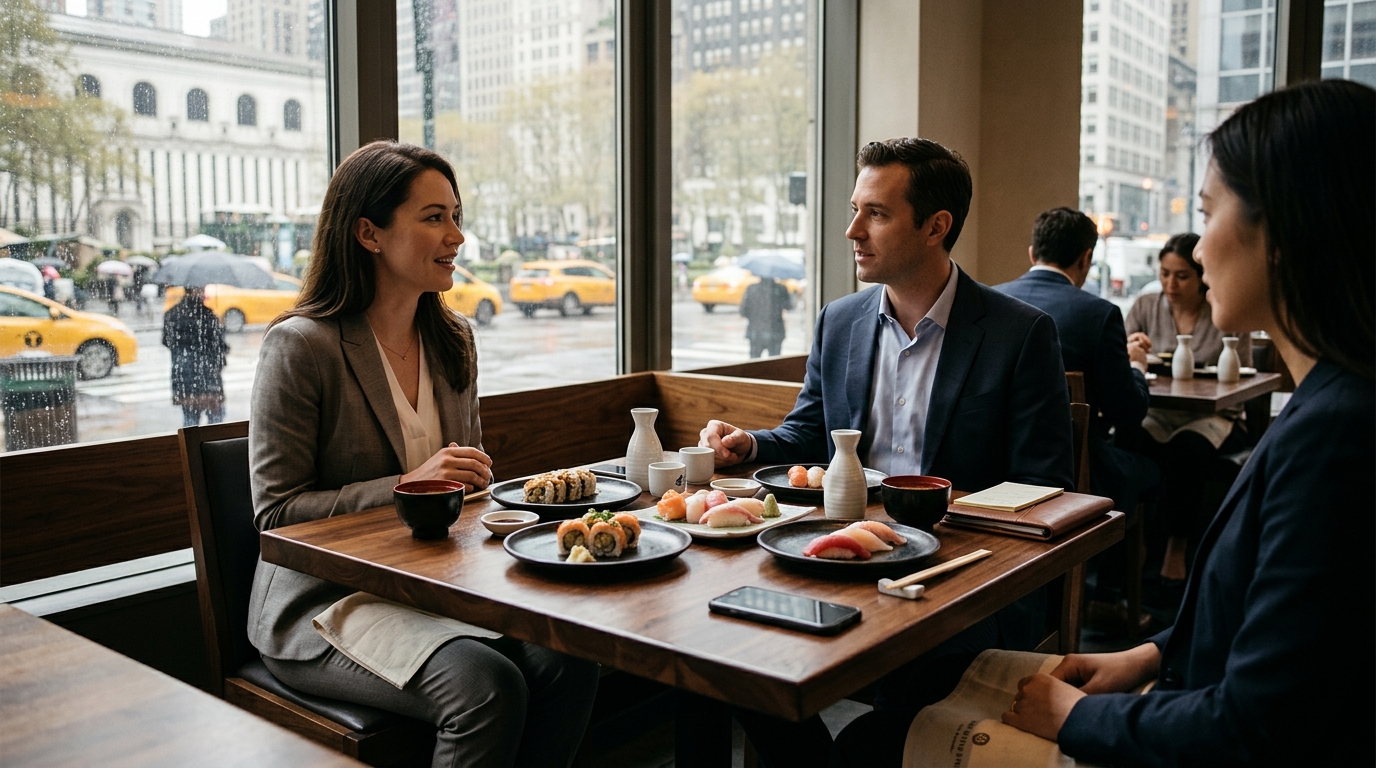
Criteria for Evaluating Midtown Manhattan Sushi Restaurants for Business Lunches
Midtown Manhattan hosts over 1,200 restaurants within a one-mile radius of Bryant Park, creating intense competition for corporate dining spots. According to recent industry data, 68% of business professionals prioritize proximity to transit hubs and speed of service when selecting lunch venues in this dense commercial district. Evaluating a sushi restaurant for business purposes requires looking beyond the menu to assess operational efficiency, acoustic comfort, and logistical convenience. This guide outlines the essential criteria for selecting the right venue for client meetings or team lunches. (Zen Ramen 038 Sushi)
Location and Transit Accessibility
The primary criterion for any Midtown business lunch is geographic convenience. Professionals in the Garment District and near Penn Station require venues that minimize transit time between meetings. A restaurant located within a five-minute walk of major transit hubs, such as the 34th Street Penn Station complex or the Herald Square subway lines, significantly reduces the risk of schedule delays. (Zen Ramen Sushi Our)
Proximity to major corporate offices and entertainment venues like Madison Square Garden also dictates foot traffic patterns. Restaurants near Bryant Park often attract a mix of tourists and office workers, which can impact wait times during peak hours. Evaluating the specific street location, such as 36th Street in the Garment District, helps determine the ease of access for clients arriving from different parts of the city. (Zen Ramen Sushi Our)
Furthermore, the physical accessibility of the entrance and the interior layout must accommodate clients with mobility needs. A ground-floor entrance with clear signage is essential for a professional first impression. The location should also offer visibility for delivery drivers if takeout is a contingency plan. (Blog ZEN RAMEN amp)
Service Speed and Operational Efficiency
Business lunches are typically constrained by a 60 to 90-minute window. Therefore, the speed of service is a critical evaluation metric. Sushi preparation is an art form that requires precision, but in a high-volume urban setting, it must also be efficient. Restaurants that utilize a streamlined kitchen workflow can deliver complex orders without compromising quality. (Drinks ZEN RAMEN amp)
Look for establishments that offer a dedicated lunch menu with pre-configured options. These lunch specials are designed to reduce decision fatigue and accelerate the ordering process. According to service industry benchmarks, venues that offer pre-set lunch combos see a 30% faster table turnover rate compared to those relying solely on à la carte ordering.
Efficiency also extends to payment processing and billing. For corporate accounts, the ability to split checks easily or process invoices directly is vital. Staff training in recognizing business dining protocols, such as discreet billing and quick refills, distinguishes a good restaurant from a great one.
Culinary Quality and Ingredient Freshness
For sushi, freshness is non-negotiable. The term sushi is defined as prepared vinegared rice accompanied by raw seafood or vegetables. The quality of the fish determines the entire dining experience. Evaluating a restaurant involves assessing their supply chain and preparation methods.
Authentic Tonkotsu ramen, another staple in many Japanese menus, relies on a rich, slow-simmered broth. The definition of tonkotsu is a pork bone broth cooked for hours to extract collagen and flavor. This process requires significant time and resources, indicating a commitment to quality over quick fixes. Restaurants that prepare broth in-house daily demonstrate a higher standard of culinary integrity.
Inspect the menu for variety and seasonal offerings. A robust selection of nigiri, sashimi, and handcrafted rolls suggests a skilled sushi chef. Additionally, the presence of vegetarian options and fresh appetizers like edamame or seaweed salad indicates a comprehensive approach to ingredient sourcing. Freshness is also evident in the texture of the rice and the sharpness of the wasabi.
Ambiance and Acoustic Comfort
Business discussions require a level of privacy and acoustic comfort that many casual dining spots lack. The definition of ambiance in this context refers to the atmospheric conditions, including lighting, noise levels, and seating arrangement, that facilitate conversation.
Midtown restaurants often struggle with noise pollution from street traffic and adjacent venues. Evaluate the restaurant's interior design for sound-dampening materials. Tables spaced adequately apart prevent cross-talk between parties, allowing for confidential business talks. Lighting should be bright enough to read menus and documents but soft enough to create a welcoming atmosphere.
The overall aesthetic should reflect professionalism. Clean, modern decor with Japanese influences can enhance the dining experience without being distracting. For client meetings, a slightly more formal ambiance is often preferred over a casual, bar-style setting. However, for internal team lunches, a vibrant and energetic atmosphere can boost morale.

Pricing Models and Corporate Value
Cost management is a key factor in corporate dining policies. Evaluating the price-to-value ratio helps determine if a restaurant fits within budget constraints. Midtown Manhattan dining carries a premium, but value can be found through strategic choices.
Lunch specials often provide significant savings compared to dinner pricing. These specials typically include a bowl of ramen or a set of sushi rolls at a fixed price point. For example, a lunch combo might cost $20 less than the equivalent dinner order. This pricing structure makes high-quality sushi accessible for daily corporate use.
Happy hour deals are another avenue for cost savings. Many restaurants offer discounted appetizers and drinks during specific afternoon windows. For informal client meetings or team catch-ups, timing a visit during happy hour can reduce expenses while maintaining quality. Understanding the restaurant's pricing tiers allows for better budget planning.
Group Dining and Catering Capabilities
Business lunches often involve teams of four or more. The ability to accommodate group dining is a crucial criterion. Restaurants that offer private dining rooms or semi-private booths provide the necessary space for larger parties to converse without disturbing others.
For larger corporate events, catering services are essential. A reliable catering menu allows for the delivery of authentic Japanese flavors to office conference rooms. This option is particularly useful for meetings that run late or for teams that prefer to dine on-site. The quality of catering food must match the in-house dining experience to maintain brand consistency.
When evaluating group capabilities, consider the restaurant's policy on reservations. Flexibility in booking large tables on short notice is a valuable asset in a fast-paced business environment. Clear communication regarding minimum spend requirements and deposit policies is also necessary for planning.
Key Takeaways
- Transit Proximity: Prioritize restaurants within a five-minute walk of Penn Station or Bryant Park to minimize transit time.
- Service Efficiency: Look for dedicated lunch menus and pre-configured combos to accelerate the ordering and dining process.
- Ingredient Integrity: Verify the freshness of sushi and the authenticity of ramen broths, such as slow-simmered tonkotsu.
- Acoustic Comfort: Ensure the venue offers adequate noise control and table spacing for confidential business discussions.
- Cost Management: Utilize lunch specials and happy hour deals to maximize corporate dining budgets.
- Group Logistics: Confirm the availability of private dining or reliable catering services for team events.
- Brand Reputation: Check recent customer reviews on platforms like Google and Yelp to gauge current service standards.
Frequently Asked Questions
What is the best time to visit for a business lunch in Midtown?
Visiting between 11:30 AM and 12:30 PM allows you to avoid the peak rush that occurs from 12:30 PM to 1:30 PM. This timing ensures faster service and a more relaxed atmosphere for your meeting.
How do I evaluate the freshness of sushi at a restaurant?
Check the menu for daily specials and in-house preparation mentions. Fresh sushi typically has a clean, oceanic aroma and firm texture. Avoid restaurants that display pre-packaged rolls for extended periods.
Does Zen Ramen & Sushi offer catering for corporate events?
Yes, Zen Ramen & Sushi provides catering services for offices and events in Midtown Manhattan. Their menu includes authentic ramen and sushi options suitable for corporate gatherings.
What is the definition of Tonkotsu ramen?
Tonkotsu is a type of ramen characterized by a rich, creamy broth made from slow-simmered pork bones. This process extracts collagen, creating a deep flavor and smooth texture.
Are there vegetarian options available for business lunches?
Most reputable Japanese restaurants in Midtown offer vegetarian options, including vegetable gyoza, edamame, and tofu-based dishes. Zen Ramen & Sushi specifically highlights vegetarian options on their menu.
How important is acoustic comfort for business dining?
Acoustic comfort is critical for maintaining confidentiality and focus during business discussions. Venues with sound-dampening features and appropriate table spacing are essential for professional meetings.
What is the typical price range for a business lunch in Midtown?
Business lunches in Midtown Manhattan typically range from $20 to $40 per person. Lunch specials and happy hour deals can significantly reduce this cost while maintaining quality.
Book Your Next Business Lunch
Selecting the right sushi restaurant for business lunches in Midtown Manhattan requires a balance of convenience, quality, and professionalism. Zen Ramen & Sushi offers a compelling solution with its authentic Tonkotsu ramen, fresh sushi, and convenient location in the Garment District. Our team is dedicated to providing efficient service and a comfortable environment for your corporate dining needs. Order online for takeout or inquire about catering for your next event. Visit us at 150 W 36th St to experience the difference.