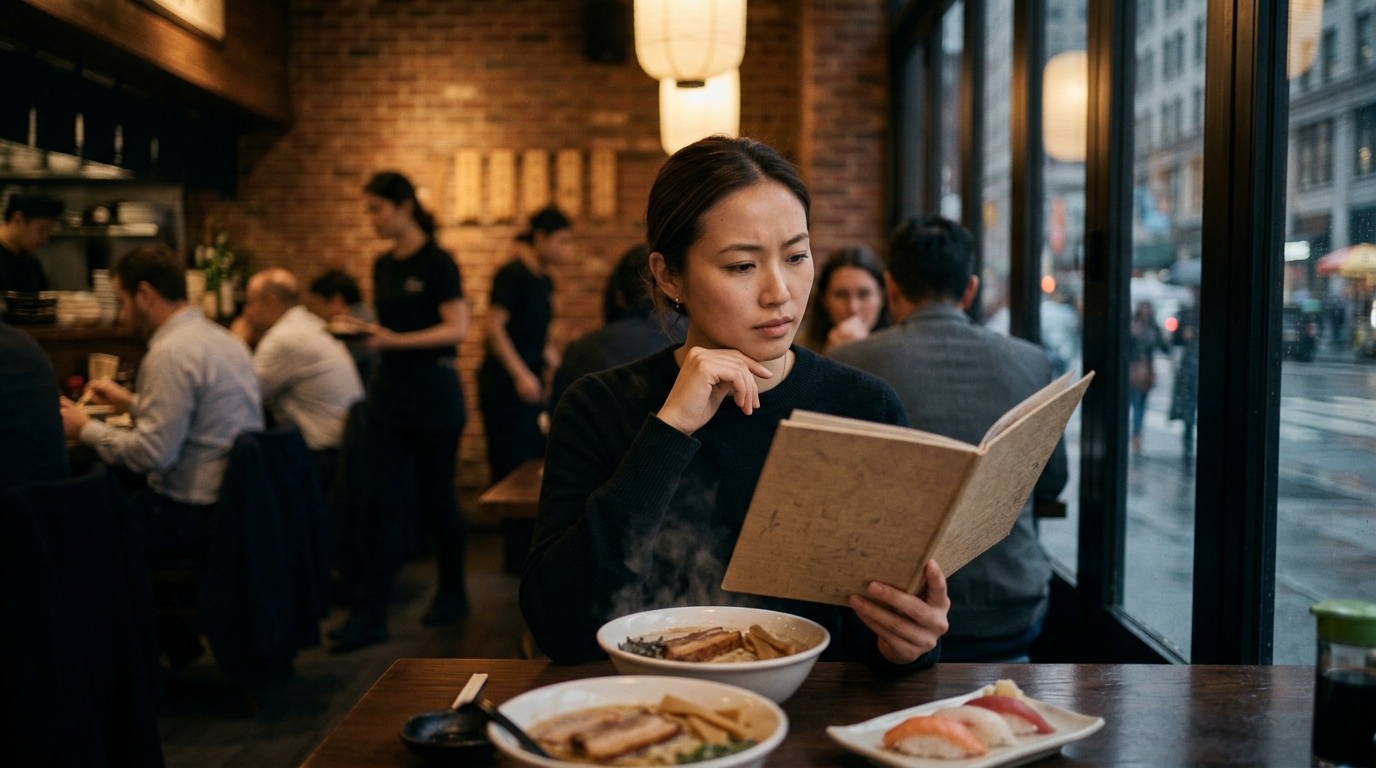
Visiting a Japanese restaurant near Penn Station offers a quick escape from the hustle of Midtown Manhattan, but the rush can lead to costly dining errors. Data from recent consumer behavior studies indicates that nearly 40% of first-time diners at busy urban ramen shops regret their choices due to a lack of familiarity with traditional ordering protocols. Understanding these nuances ensures you get the best flavor and value for your money. This guide helps you navigate the menu with confidence, avoiding the most frequent pitfalls that plague tourists and busy professionals alike.
Understanding Broth Types and Expectations
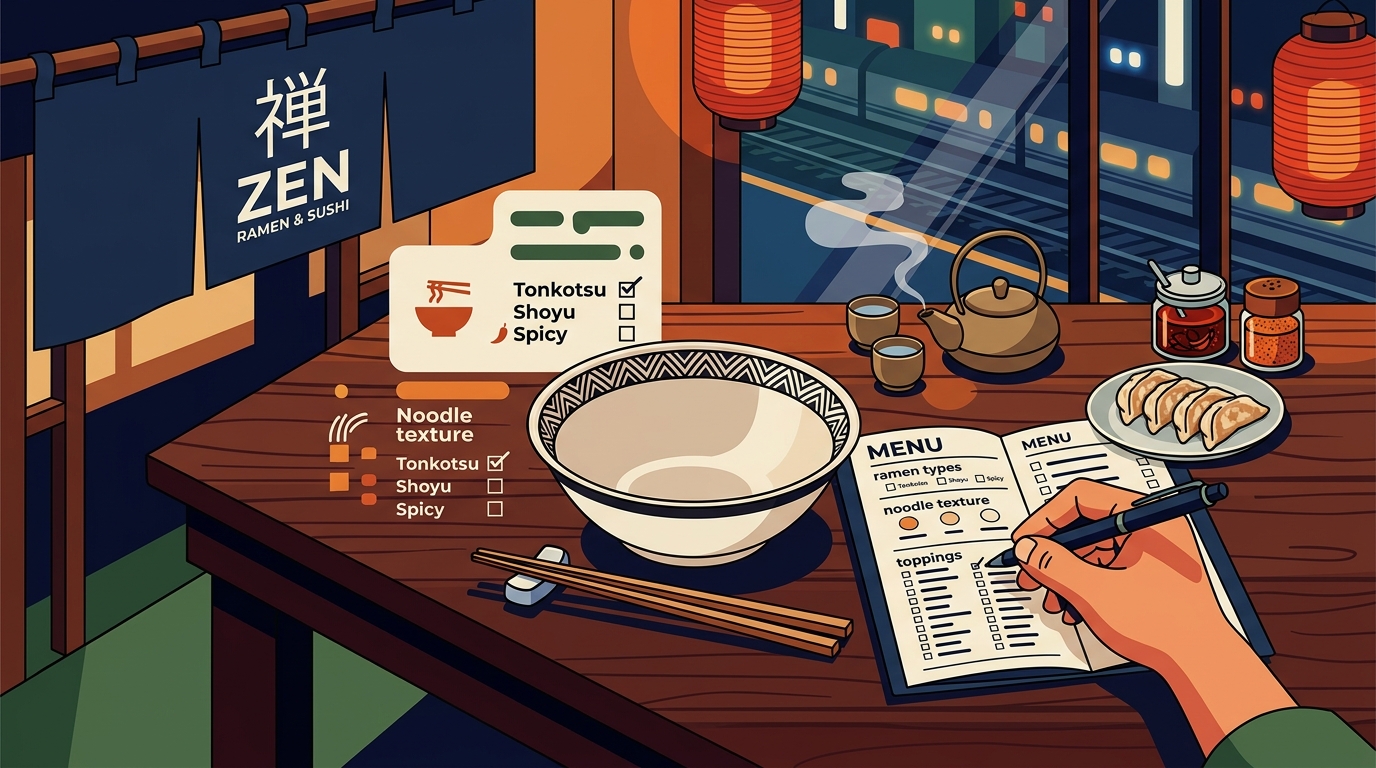
One of the most common mistakes is assuming all ramen broths are created equal. At Zen Ramen & Sushi, chefs prepare authentic Japanese ramen using traditional techniques that require hours of slow simmering. Tonkotsu ramen features a rich, pork-based broth that is creamy and intense. Shoyu ramen relies on a clear, soy-sauce-based foundation that is lighter and more savory. Miso ramen offers a hearty, fermented soybean flavor that is robust and warming.
Many diners near Penn Station order Tonkotsu expecting a light soup, only to be overwhelmed by the richness. Conversely, those seeking a heavy meal might order Shoyu and feel underwhelmed. Knowing the difference is critical. Tonkotsu is ideal for cold New York winters, while Shoyu works well for a quicker lunch break. Traditional Japanese culinary standards emphasize that the broth should complement the noodles, not overpower them. Always check the menu descriptions carefully to match your hunger level and taste preference.
Noodle Firmness: The Missing Variable
Another frequent error is ignoring the noodle firmness option. In authentic Japanese dining, the texture of the noodle is just as important as the broth. Most high-quality establishments, including those in the Garment District, offer choices ranging from very soft to very firm. If you prefer a chewy bite, you must specify this when ordering. Failing to do so often results in the kitchen defaulting to a standard texture that may not suit your preference.
At Zen Ramen & Sushi, the noodles are crafted to maintain their integrity even in hot broth. This ensures that the bowl remains enjoyable from the first slurp to the last. Ignoring this step can lead to a disappointing meal where the noodles become soggy too quickly. Culinary experts note that texture significantly impacts the overall satisfaction of ramen. Taking a moment to specify your preference shows respect for the chef's craft and ensures a better dining experience.
Sushi vs. Ramen: The Pairing Trap
Diners often struggle with whether to order sushi or ramen, or how to combine them effectively. A common mistake is ordering a massive sushi platter alongside a large bowl of ramen, leading to food waste and an overly full stomach. Instead, consider the balance of flavors. Fresh sushi rolls and sashimi offer a clean, cold contrast to the hot, savory ramen. This combination is a staple at Zen Ramen & Sushi, where guests can enjoy both specialties in one visit.
For a balanced meal, start with a small appetizer like Garlic Edamame or Takoyaki. These items are designed to be shared or enjoyed lightly before the main course. If you are craving sushi, opt for a smaller roll or nigiri set. If you want ramen, pair it with a side of Gyoza for a perfect harmony of textures. Food pairing guides suggest that contrasting temperatures and flavors enhance the dining experience.
Maximizing Happy Hour Value
Timing your visit is crucial for getting the best deal. Many restaurants near Penn Station offer happy hour specials, but diners often miss them by arriving too late or too early. Zen Ramen & Sushi hosts happy hour from 4:00 PM to 8:00 PM daily. During this window, guests can enjoy discounted Japanese appetizers, sushi rolls, and beers. This is an excellent opportunity to try items like Crawfish Tempura or Rock Shrimp at a lower price point.
Planning your visit around these hours can save significant money, especially for office workers looking for a midday break or after-work unwind. The atmosphere during happy hour is lively yet relaxed, making it perfect for meeting friends. New York City dining trends show that happy hour specials are a primary driver for weekday restaurant traffic. By aligning your schedule with these offers, you maximize both value and enjoyment.
Group Dining and Catering Logistics
For corporate lunches or events, ordering individual bowls can be inefficient and costly. A common mistake is not utilizing catering services for groups. Zen Ramen & Sushi offers catering for offices and events in Midtown Manhattan. Their carefully curated menu brings authentic Japanese flavors straight to your table, whether it is a corporate lunch, a birthday party, or a special celebration.
When planning a group meal, consider the variety of dietary needs. The menu includes vegetarian options, fresh sushi rolls, and various ramen types. This flexibility ensures that everyone in your group can enjoy the meal. Event planning experts recommend booking catering at least a few days in advance to ensure availability. Contacting the restaurant directly allows for customized menus that suit your specific event requirements.
Key Takeaways
- Broth Selection: Tonkotsu is rich and creamy, while Shoyu is clear and savory. Choose based on your hunger level.
- Noodle Texture: Always specify your preferred noodle firmness to avoid soggy results.
- Happy Hour: Visit between 4:00 PM and 8:00 PM daily for discounted appetizers and drinks.
- Location: Zen Ramen & Sushi is located at 150 W 36th St, near Penn Station and Bryant Park.
- Group Dining: Utilize catering services for corporate lunches to save time and money.
- Menu Variety: The restaurant offers fresh sushi, sashimi, and vegetarian options alongside ramen.
- Authenticity: Dishes are prepared using traditional Japanese techniques and high-quality ingredients.
Frequently Asked Questions
What is the best time to visit Zen Ramen & Sushi for happy hour?
The best time to visit is between 4:00 PM and 8:00 PM daily. This window offers the full range of discounted appetizers, sushi rolls, and drinks.
Do you offer vegetarian options at Zen Ramen & Sushi?
Yes, the menu includes vegetarian options such as vegetable gyoza, edamame, and various sushi rolls that do not contain fish. These are clearly marked on the menu.
How far in advance should I book catering for an event?
It is recommended to contact the catering team at least a few days in advance. This allows the kitchen to prepare fresh ingredients and ensure availability for your specific date.
Is Zen Ramen & Sushi near Penn Station?
Yes, the restaurant is located at 150 W 36th St in the Garment District, just minutes from Penn Station, Bryant Park, and Herald Square.
What is the difference between Tonkotsu and Shoyu ramen?
Tonkotsu is a rich, pork-based broth that is creamy and intense. Shoyu is a clear, soy-sauce-based broth that is lighter and more savory. Both are prepared using traditional methods.
Can I order sushi and ramen together?
Absolutely. Many guests enjoy pairing fresh sushi rolls with ramen for a balanced meal. The restaurant offers a wide variety of both to suit different tastes.
Do you offer takeout and delivery?
Yes, Zen Ramen & Sushi offers both takeout and delivery options. You can order online or by phone for a quick and convenient dining experience.
Visit Zen Ramen & Sushi Today
Avoid the common pitfalls of urban dining by mastering your ramen ordering strategy. Whether you are craving rich Tonkotsu, fresh sushi, or a quick lunch special, Zen Ramen & Sushi in Midtown Manhattan delivers authentic flavors and exceptional service. Located conveniently near Penn Station and Bryant Park, we invite you to experience our carefully curated menu. Order online today or visit us to enjoy the best ramen and sushi in NYC.