
Essential Quality Standards for Beginner-Friendly Japanese Dining at Zen Ramen & Sushi
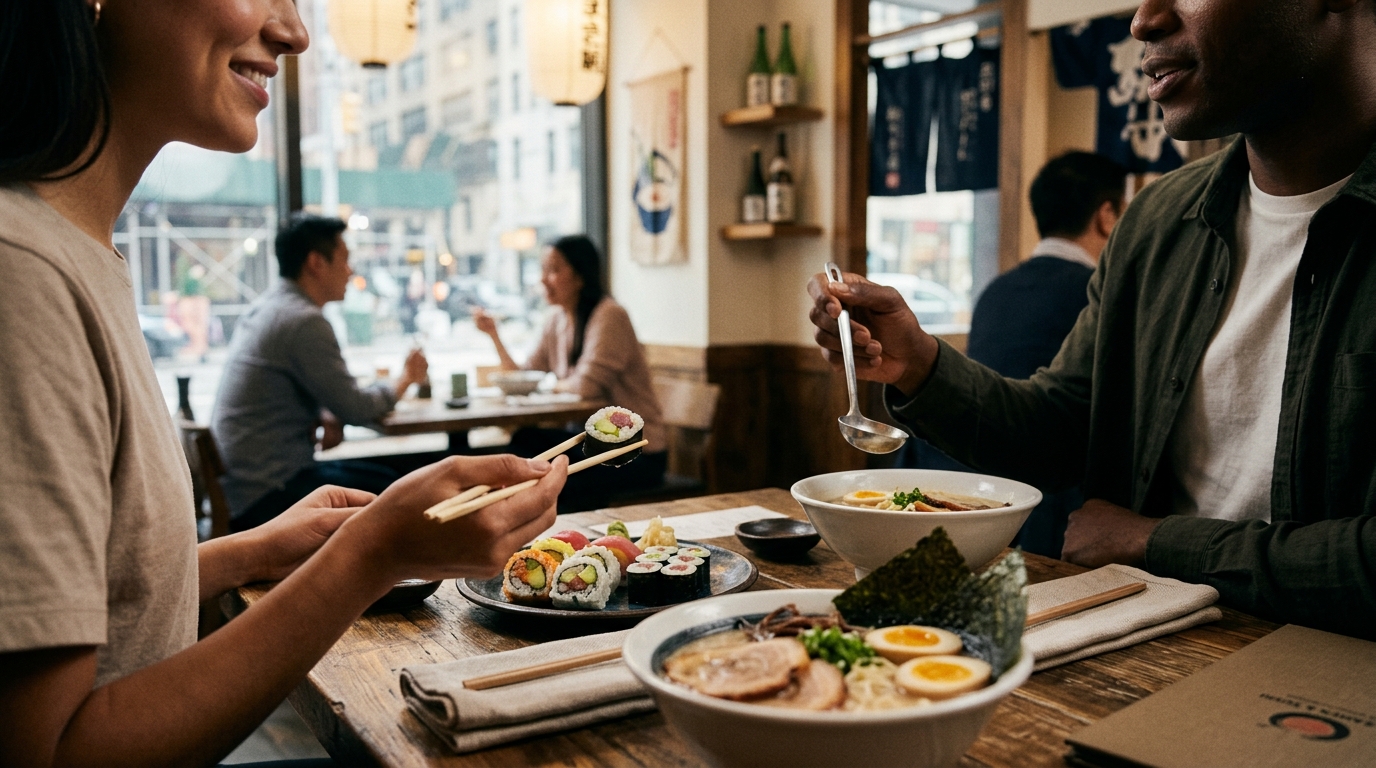
Japanese cuisine has evolved from a niche culinary interest to a global dining staple, with the United States seeing a significant expansion in the Japanese food market over the last decade. For newcomers, navigating this rich culinary landscape can feel overwhelming due to complex etiquette and specialized terminology. However, understanding the core quality standards transforms a simple meal into an educational experience. At Zen Ramen & Sushi in Midtown Manhattan, we prioritize transparency and approachability, ensuring that every guest, regardless of their familiarity with Japanese culture, can enjoy authentic flavors without intimidation.
Understanding Broth Integrity and Temperature
The foundation of any exceptional ramen bowl lies in its broth. For beginners, the most critical quality standard is temperature consistency. Ramen broth must arrive at the table hot enough to maintain its emulsion but cool enough to be eaten immediately. According to culinary experts at Serious Eats, the ideal serving temperature for tonkotsu and shoyu broths is between 160 and 170 degrees Fahrenheit. This range ensures that the fats remain suspended, creating a rich, creamy mouthfeel that defines authentic Japanese ramen.
At Zen Ramen & Sushi, our chefs prepare authentic Japanese ramen in Midtown Manhattan using traditional techniques that require hours of slow simmering. Tonkotsu ramen, for instance, involves boiling pork bones until the collagen breaks down, resulting in a milky, opaque broth. Shoyu ramen relies on a clear, soy-sauce-based base that highlights the umami of dashi and kombu. If your broth arrives lukewarm or has separated into oil and water, it fails the basic quality standard of freshness and proper handling.
Another vital aspect is the balance of flavor. A high-quality broth should not be overwhelmingly salty or greasy. It should have depth, offering layers of flavor that evolve with each spoonful. Beginners should look for broths that taste clean and robust, rather than thin or artificially flavored. Our commitment to using high-quality ingredients ensures that every bowl meets these rigorous standards, providing a consistent and satisfying experience for our guests near Bryant Park and Herald Square.
Evaluating Sushi Freshness and Texture
Sushi is often the first point of contact for beginners exploring Japanese cuisine. The primary quality standard for sushi is freshness, which directly impacts texture and flavor. Fresh fish should have a clean, oceanic scent, not a strong "fishy" odor. According to the U.S. Food and Drug Administration, seafood must be handled at specific temperatures to prevent bacterial growth, making proper storage a critical safety and quality metric.
Texture is equally important. Nigiri sushi should feel firm yet yielding, not mushy or rubbery. The rice, known as shari, should be seasoned with a precise balance of rice vinegar, sugar, and salt. It should hold its shape when pressed but dissolve gently on the tongue. At Zen Ramen & Sushi, we prepare fresh sushi rolls and sashimi daily to ensure peak quality. Our chefs carefully select each piece of fish, ensuring that the color is vibrant and the grain is tight.
For beginners, understanding the difference between nigiri and maki rolls can simplify the ordering process. Nigiri consists of a slice of fish draped over a small ball of rice, while maki rolls wrap ingredients in seaweed. Both require high standards of preparation. Our handcrafted sushi rolls are designed to be approachable, offering familiar flavor combinations while introducing guests to authentic ingredients like yellowtail, salmon, and spicy tuna. By focusing on these visual and textural cues, diners can confidently assess the quality of their meal.
Assessing Appetizer Preparation Techniques
Appetizers, or zensai, play a crucial role in setting the tone for a Japanese meal. Quality standards for these dishes often revolve around crispiness, seasoning balance, and ingredient integrity. For example, gyoza should have a golden, crispy bottom with a tender, juicy top. The filling should be well-seasoned, with the pork or vegetable mixture retaining its moisture without being greasy.
At Zen Ramen & Sushi, our appetizer menu includes options like garlic edamame, shishito peppers, and takoyaki. Each dish is prepared using specific techniques that highlight its unique qualities. Shishito peppers are charred to bring out a smoky sweetness, while edamame is steamed to preserve its bright green color and nutty flavor. These preparation methods are not just aesthetic; they are essential for delivering the authentic taste profiles that define Japanese cuisine.
Beginners should also pay attention to the dipping sauces and condiments provided. A high-quality meal will include fresh, complementary sauces that enhance rather than overpower the main ingredients. Our spicy mayo and ponzu sauces are crafted in-house to ensure consistency and freshness. By observing how these elements come together, diners can gain a deeper appreciation for the craftsmanship involved in Japanese cooking.
Beginner-Friendly Dining Etiquette
While Japanese dining can seem steeped in tradition, many etiquette rules are intuitive and designed to enhance the dining experience. One common practice is saying "itadakimasu" before eating and "gochisousama deshita" after finishing. These phrases express gratitude for the food and the effort of the chef. For beginners, simply acknowledging the meal with a thank you is sufficient and appreciated.
Another important aspect is the use of chopsticks. It is considered impolite to stick chopsticks vertically into a bowl of rice, as this resembles a funeral ritual. Instead, use chopstick rests when not in use. When eating ramen, it is perfectly acceptable, and even encouraged, to slurp your noodles. Slurping helps cool the broth and enhances the aroma, allowing you to fully appreciate the flavors. According to Japan Guide, this practice is a sign of enjoyment and respect for the chef's work.
At Zen Ramen & Sushi, we strive to create a welcoming atmosphere where guests feel comfortable exploring Japanese cuisine. Our staff is happy to answer questions about menu items and offer recommendations based on your preferences. Whether you are dining in our Midtown Manhattan location or ordering takeout, we ensure that every interaction reflects our commitment to quality and hospitality.
Navigating the Menu with Confidence
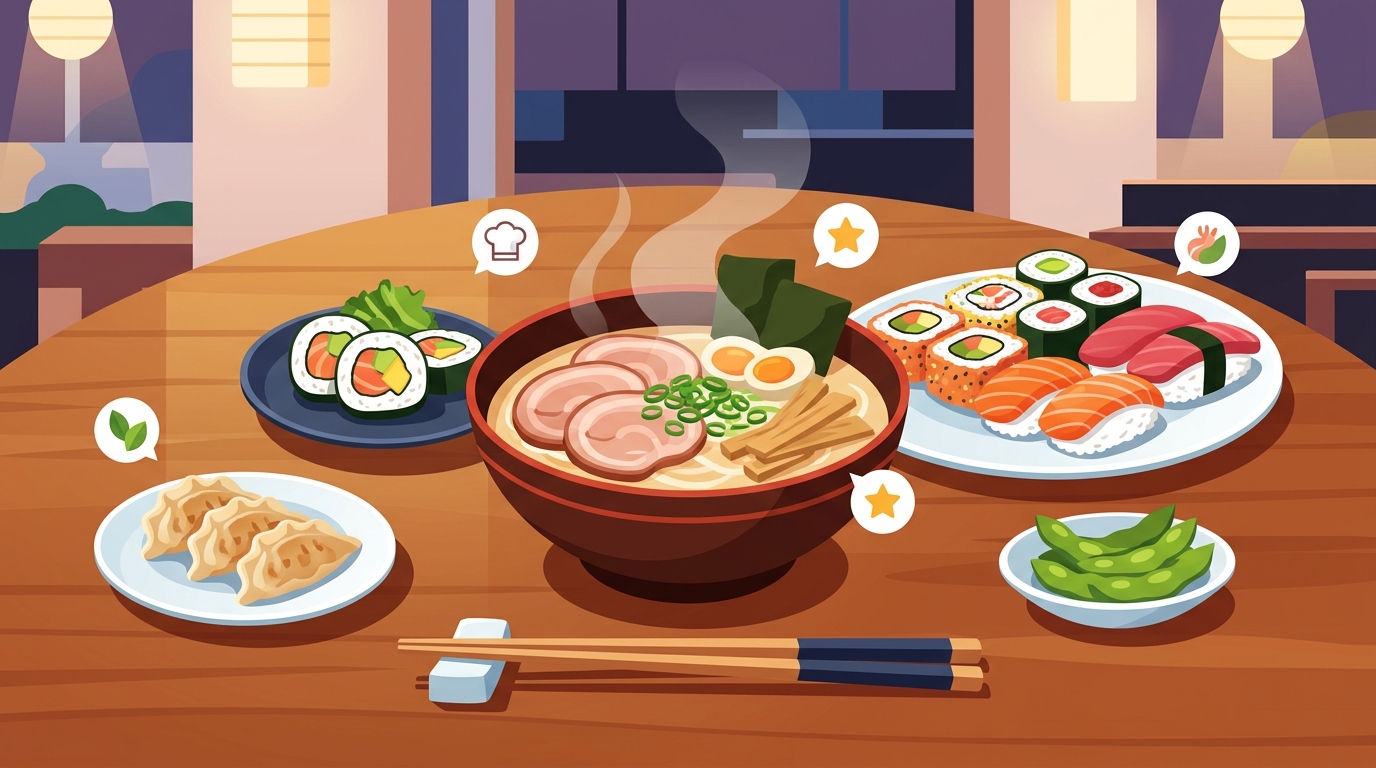
For beginners, a Japanese menu can be daunting. Understanding the structure of the menu can simplify the ordering process. Most Japanese restaurants organize their menus by course or dish type, such as appetizers, main courses, and desserts. At Zen Ramen & Sushi, our menu is carefully curated to offer dishes that combine traditional Japanese techniques with a modern twist.
| Category | Key Quality Indicators | Beginner Recommendation |
|---|---|---|
| Appetizers | Crispiness, fresh seasoning, proper temperature | Garlic Edamame or Shishito Peppers |
| Ramen | Broth clarity, noodle texture, ingredient freshness | Tonkotsu Ramen or Shoyu Ramen |
| Sushi | Fish color, rice seasoning, roll tightness | Salmon Roll or Spicy Tuna Roll |
| Drinks | Freshness, proper pairing, temperature | Matcha Tea or Sake |
Starting with familiar items can build confidence. Our spicy ramen and handcrafted sushi rolls are popular choices for those new to Japanese cuisine. As you become more comfortable, you can explore more complex dishes like sashimi or miso soup. Our lunch specials and happy hour offerings provide an excellent opportunity to sample a variety of dishes at a lower price point, allowing you to discover your preferences without commitment.
Key Takeaways for Quality Dining
- Broth Temperature: Authentic ramen broth should be served between 160 and 170 degrees Fahrenheit to maintain emulsion and flavor.
- Sushi Freshness: Fresh fish has a clean scent and firm texture, adhering to FDA safety guidelines for seafood handling.
- Appetizer Integrity: High-quality appetizers like gyoza and edamame showcase precise cooking techniques and balanced seasoning.
- Etiquette Simplicity: Slurping ramen is encouraged, and basic gratitude phrases enhance the dining experience.
- Menu Navigation: Starting with approachable items like tonkotsu ramen and spicy tuna rolls builds confidence for beginners.
- Location Convenience: Zen Ramen & Sushi is located in the Garment District, minutes from Penn Station and Bryant Park.
- Consistent Quality: Daily preparation of sushi and slow-simmered broths ensure a consistent and authentic dining experience.
Frequently Asked Questions
What is the best way to eat ramen for the first time?
For your first time, start by tasting the broth to appreciate its flavor. Then, mix in the toppings and slurp the noodles to cool them and enhance the aroma. This method allows you to experience the full range of flavors intended by the chef.
How can I tell if sushi is fresh?
Fresh sushi should have a clean, oceanic scent and vibrant colors. The fish should feel firm yet yielding to the touch. Avoid sushi that has a strong fishy odor or appears discolored.
Is it rude to slurp my ramen?
No, slurping is not rude in Japanese culture. In fact, it is encouraged as it helps cool the noodles and enhances the flavor by aerating the broth. It is also a sign of enjoyment.
What are the most popular appetizers at Zen Ramen & Sushi?
Our most popular appetizers include garlic edamame, shishito peppers, and takoyaki. These dishes are favorites among both beginners and seasoned fans of Japanese cuisine.
Does Zen Ramen & Sushi offer vegetarian options?
Yes, we offer a variety of vegetarian options, including vegetable gyoza, tofu dishes, and vegetarian ramen broths. Our menu is designed to accommodate diverse dietary preferences.
How do I order takeout from Zen Ramen & Sushi?
You can order takeout by calling us directly or using our online ordering system. We ensure that all dishes are packaged securely to maintain their quality and temperature during transit.
What is the happy hour schedule at Zen Ramen & Sushi?
Our happy hour runs daily from 4:00 PM to 8:00 PM, offering special prices on appetizers, sushi rolls, and drinks. It is a great time to enjoy high-quality Japanese food at a discounted rate.
Visit Zen Ramen & Sushi
Experience the essential quality standards of Japanese dining at Zen Ramen & Sushi. Located in the heart of Midtown Manhattan, we invite you to explore our authentic ramen, fresh sushi, and welcoming atmosphere. Whether you are a beginner or a seasoned enthusiast, our team is dedicated to providing a memorable dining experience. Order online for takeout or visit us near Bryant Park to taste the difference.