What Makes Each Type of Ramen Different and Which One Should I Try First?
Each type of ramen differs primarily in its broth base, noodle texture, and regional seasoning style. Tonkotsu is rich and creamy, shoyu is clear and savory, miso is thick and fermented, and shio is light and salty. For your first bowl, choose shoyu or tonkotsu based on your preference for lightness or richness. At Zen Ramen & Sushi in Midtown Manhattan, you can explore these distinct styles with authentic preparation methods. according to Ramen Consumption and
The Broth: The Soul of the Bowl
The broth is the defining characteristic of any ramen style. It determines the weight, flavor profile, and overall experience of the dish. Understanding the four main broth types helps you make an informed choice before ordering.
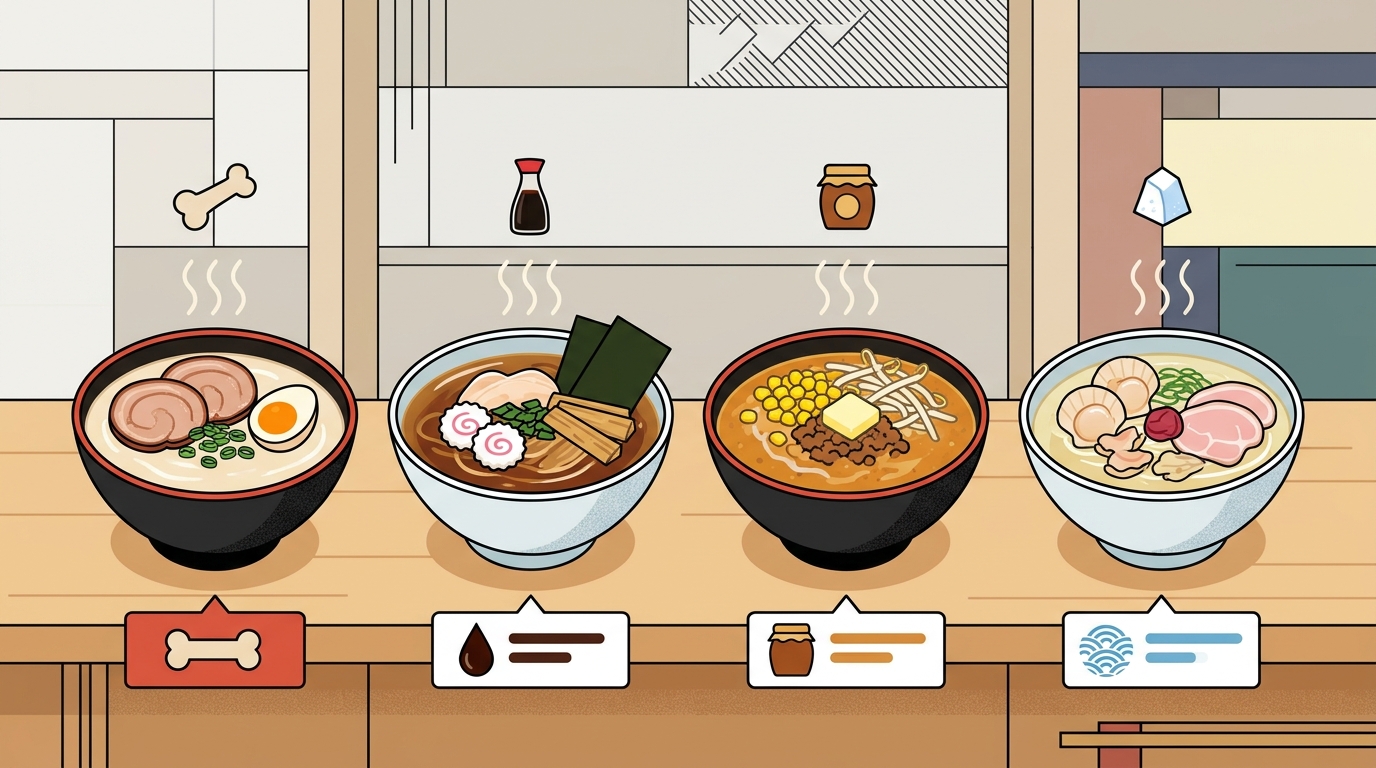
Tonkotsu is a pork bone broth simmered for many hours until the collagen breaks down, creating a milky, creamy texture. This style is rich and heavy, often associated with Fukuoka. Shoyu is a soy sauce-based broth that is clear and amber in color. It is lighter and more balanced, making it a classic Tokyo staple. Miso uses fermented soybean paste, resulting in a thick, nutty, and tangy flavor profile popular in Hokkaido. Finally, Shio is a salt-based broth that is the lightest of the four, highlighting the natural flavors of the ingredients.
At Zen Ramen & Sushi, our chefs prepare these broths using traditional techniques to ensure depth and authenticity. The choice of broth should match your appetite and flavor preference. If you want something indulgent, choose tonkotsu. If you prefer a cleaner taste, shoyu or shio is the better option.
Noodle Texture and Alkalinity
Ramen noodles are not interchangeable across different broth styles. The thickness, shape, and alkalinity of the noodles are designed to complement the specific broth they are served in. This pairing is intentional and affects the overall texture of the meal.
Thick, wavy noodles are typically paired with rich broths like tonkotsu and miso. The waves help trap the heavy broth, ensuring every bite is flavorful. Thin, straight noodles are better suited for lighter broths like shoyu and shio. They allow the clear broth to shine without being overwhelmed by the noodle texture. Additionally, authentic ramen noodles use an alkaline mineral water called kansui, which gives them a distinctive yellow color and springy chew.
When ordering at Zen Ramen & Sushi, you can often customize the noodle firmness. If you eat slowly, ask for firmer noodles to prevent them from becoming mushy. If you plan to finish the bowl quickly, softer noodles may be more enjoyable. This small adjustment can significantly improve your dining experience.
Regional Styles and Seasoning Bases
Ramen styles are deeply rooted in regional Japanese traditions. Each region has developed its own unique approach to seasoning and ingredients, reflecting local climate and available resources. Understanding these regional differences adds depth to your appreciation of the dish.
Tokyo-style ramen typically features a shoyu broth with slightly curly noodles. It is simple yet flavorful, often topped with menma and scallions. Sapporo ramen is known for its miso broth, which often includes butter, corn, and seafood to reflect the cold Hokkaido climate. Hakata ramen, from Fukuoka, is famous for its tonkotsu broth and thin noodles, embodying the hearty flavors of Kyushu. These regional identities are preserved in authentic restaurants that adhere to traditional methods.
At Zen Ramen & Sushi, we honor these regional distinctions by preparing each style with its intended characteristics. This ensures that when you order a specific type of ramen, you receive an authentic representation of that region's culinary heritage. It is not just about the ingredients, but about the technique and history behind them.
Choosing Your First Bowl
Deciding which ramen to try first depends on your personal taste preferences and how hungry you are. There is no single "best" ramen, but there is a best starting point for you. Consider your tolerance for richness and your desired flavor profile.
If you are new to ramen, Shoyu is often the most approachable choice. It is balanced, savory, and not overly heavy, making it easy to appreciate the nuances of the broth. If you prefer something more substantial and creamy, Tonkotsu is the ideal first bowl. It is a full meal in itself and satisfies cravings for rich, umami-heavy flavors. For those who enjoy complexity, Miso offers a unique blend of fermentation and richness that stands out from the other styles.
At Zen Ramen & Sushi, our staff can guide you through these options based on your preferences. We recommend starting with a standard broth before trying spicy variations. This allows you to understand the base flavor before adding heat. Whether you choose shoyu, tonkotsu, or miso, you will find a high-quality, authentic experience in Midtown Manhattan. according to Ramen Consumption and
Key Takeaways
- Broth is the primary differentiator: Tonkotsu is rich, shoyu is clear, miso is thick, and shio is light.
- Noodle pairing is intentional: Thick noodles suit rich broths, while thin noodles suit light broths.
- Regional identity matters: Each style reflects the culinary traditions of a specific Japanese region.
- Start with Shoyu or Tonkotsu: These are the most common entry points for first-time diners.
- Customization is key: Adjusting noodle firmness and spice levels can enhance your experience.
- Authenticity is technique: Long simmering times and proper seasoning bases define true ramen.
Frequently Asked Questions
What is the difference between tonkotsu and shoyu ramen?
Tonkotsu ramen uses a pork bone broth that is rich and creamy, while shoyu ramen uses a soy sauce-based broth that is clear and lighter. Tonkotsu is heavier and more indulgent, whereas shoyu is more balanced and savory.
Which ramen is best for beginners?
Shoyu ramen is generally recommended for beginners because it is lighter and more approachable. However, if you prefer rich flavors, tonkotsu is also a popular first choice. Both styles are widely available and well-balanced.
Can I customize my ramen bowl?
Yes, many ramen restaurants, including Zen Ramen & Sushi, allow you to customize noodle firmness, spice level, and sometimes richness. This helps tailor the bowl to your personal preference and eating speed.
What is tare in ramen?
Tare is the concentrated seasoning base added to the broth. It is what gives the broth its specific flavor profile, such as soy sauce, salt, or miso. Tare is added separately from the broth to ensure precise seasoning.
Is miso ramen spicy?
Miso ramen is not inherently spicy, but it can be made spicy if requested. The base flavor is nutty and tangy due to the fermented soybean paste. Spice levels are adjustable at most restaurants.
Where can I try authentic ramen in Midtown Manhattan?
Zen Ramen & Sushi at 150 W 36th Street offers authentic Japanese ramen and sushi. Located near Penn Station and Herald Square, it is a convenient spot for trying various ramen styles with traditional preparation.