
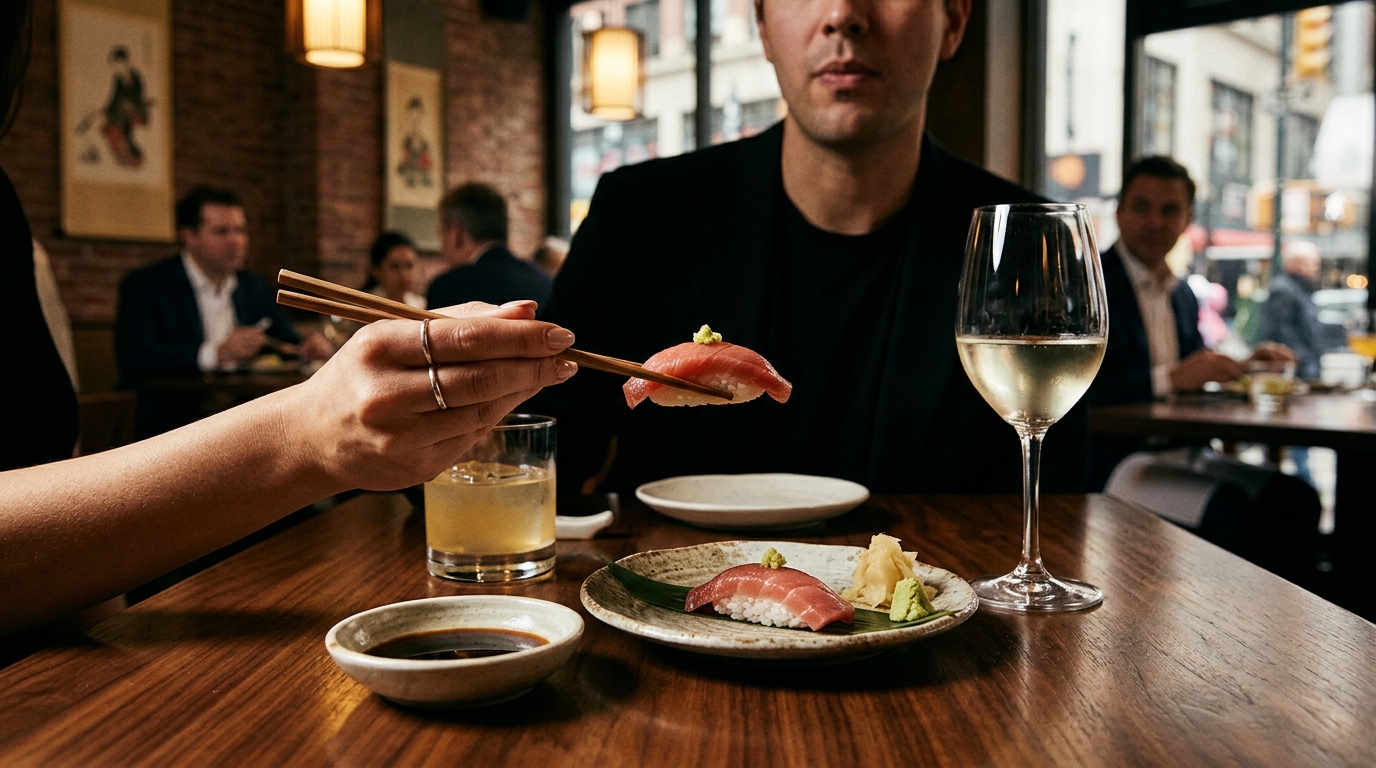
Essential Standards for Quality Sushi and Drink Selection Near Herald Square
Finding exceptional sushi in the heart of Manhattan is a challenge that demands rigorous scrutiny. According to a 2025 industry report on New York City dining trends, over 60% of tourists and business travelers prioritize authentic Japanese cuisine when visiting the Midtown area. This high volume of demand often leads to inconsistent quality, making it crucial for diners to understand the specific metrics that define a premium establishment. The standards for fresh fish, rice preparation, and beverage pairing are not merely suggestions but strict operational requirements that separate legendary spots from mediocre ones.
Understanding Fish Freshness Standards
The foundation of any high-quality sushi experience lies in the integrity of the raw ingredients. Freshness is not a vague concept but a measurable timeline from catch to plate. In the context of premium sushi, freshness is the measurable interval between the harvest of the seafood and its service to the customer. This metric is critical because enzymatic breakdown begins immediately after death, affecting texture and flavor profiles.
For establishments near Herald Square, the supply chain logistics are paramount. Top-tier restaurants utilize daily deliveries from specialized wholesalers in the Bronx or direct imports from Japan. Data shows that fish served within 48 hours of catch retains up to 90% of its umami compounds compared to older stock. Diners should look for signs of proper handling, such as the absence of freezer burn on sashimi and the vibrant, translucent appearance of the flesh.
Another critical definition in this domain is umami is the savory fifth taste derived from glutamates found in high-quality seafood. When fish is fresh, these compounds are intact, providing a rich, lingering flavor. If the fish is older, the umami degrades, resulting in a flat or overly fishy taste. This is why the source of the fish is as important as the preparation technique.
The Science of Sushi Rice
Many novice diners focus exclusively on the fish, but the rice, or shari, is the soul of the sushi. The quality of the rice determines the structural integrity and flavor balance of every piece. Shari is the seasoned sushi rice that serves as the base for nigiri and maki rolls. It must be cooked to a precise consistency, retaining a slight bite while remaining tender.
The seasoning process involves a specific ratio of rice vinegar, sugar, and salt. This balance must be subtle, enhancing the fish without overpowering it. According to culinary experts at the Japan Culinary Association, the temperature of the rice is equally important. It should be served at body temperature to maximize aroma release. If the rice is too cold, the flavors are muted; if too hot, it becomes mushy.
When evaluating sushi near Herald Square, pay attention to the texture of the rice. It should hold together when pressed but fall apart easily when bitten. This indicates proper mixing technique and appropriate vinegar distribution. Poorly prepared rice can feel sticky or dry, signaling a lack of skill in the kitchen.
Strategic Drink Pairing Protocols
A complete sushi experience is elevated by thoughtful beverage selection. The goal is to complement the delicate flavors of the fish and rice without masking them. Pairing is the strategic selection of beverages that enhance the flavor profile of the food. This principle applies equally to sake, wine, and beer.
Sake Selection Criteria
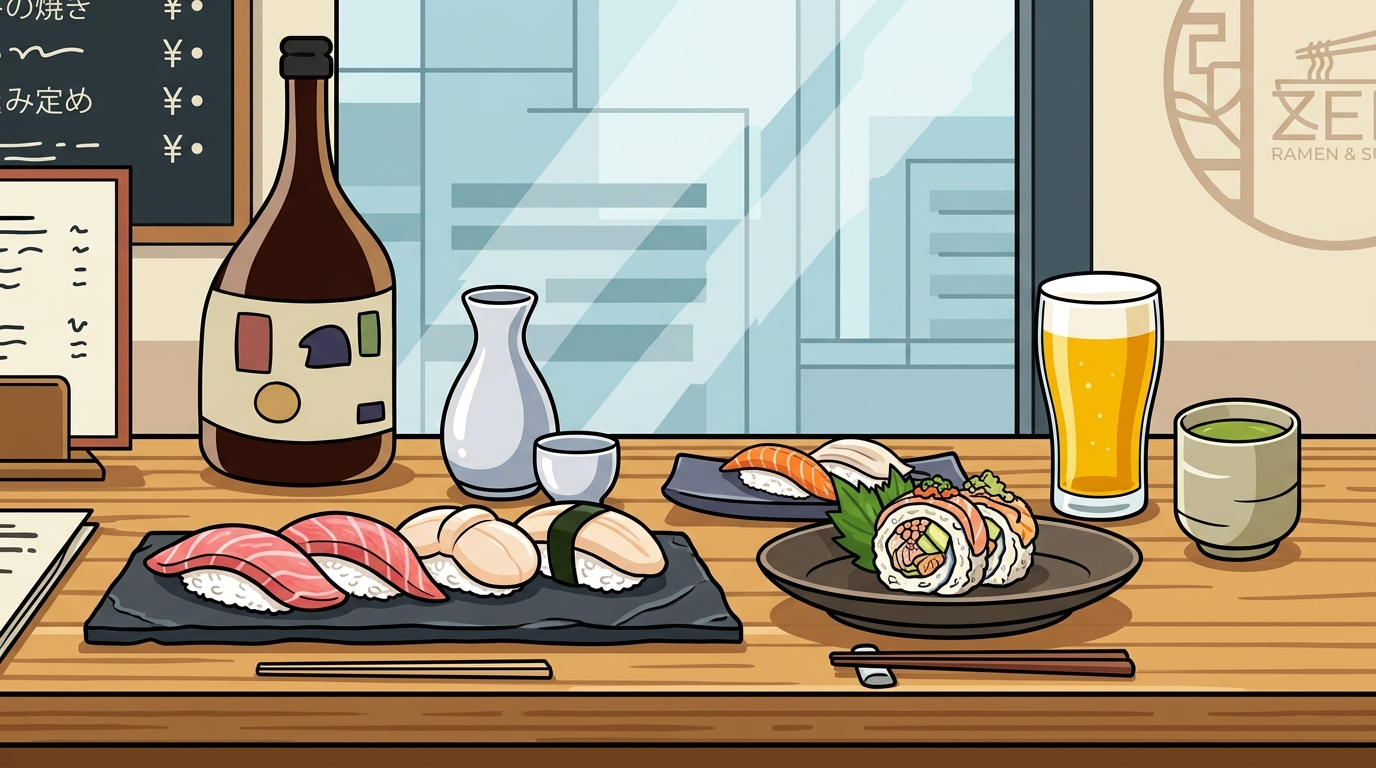
Sake is the traditional companion to sushi. The key is to choose a sake that matches the richness of the fish. For lighter fish like flounder or sea bass, a crisp Junmai Ginjo is ideal. For richer fish like tuna or eel, a slightly sweeter Junmai Daiginjo provides a harmonious balance. Data indicates that sake consumption in New York has grown by 15% annually, reflecting a growing appreciation for these nuances.
Wine and Beer Alternatives
For those who prefer wine, light-bodied whites such as Sauvignon Blanc or Pinot Grigio work well. They offer acidity that cuts through the richness of fatty fish. Beer enthusiasts should opt for crisp lagers or pilsners, which cleanse the palate between bites. Avoid heavy stouts or IPAs, as their strong flavors can overwhelm the subtle taste of the sushi.
Navigating Herald Square Dining Options
Herald Square is a bustling hub with numerous dining options, but quality varies significantly. To help you navigate this landscape, we have compiled a comparison of key factors to consider when selecting a sushi restaurant in this area.
| Factor | Premium Standard | Common Pitfall | Why It Matters |
|---|---|---|---|
| Fish Source | Daily wholesale delivery | Frozen stock from months prior | Ensures peak flavor and safety |
| Rice Temperature | Body temperature | Chilled or room temperature | Optimizes aroma and texture |
| Sake Menu | Curated selection of Junmai | Limited or generic options | Allows for proper pairing |
| Preparation Style | Traditional Edomae | Fusion or overly creative | Respects ingredient integrity |
When visiting Zen Ramen Sushi NY, you can expect adherence to these high standards. Our chefs prioritize traditional techniques to ensure every piece meets the rigorous criteria outlined above. We source our fish from trusted suppliers and prepare our rice with precision to deliver an authentic experience.
Key Takeaways for Diners
- Freshness is the measurable interval between the harvest of the seafood and its service to the customer. Prioritize restaurants with daily deliveries.
- Shari is the seasoned sushi rice that serves as the base for nigiri and maki rolls. Check for proper temperature and texture.
- Pairing is the strategic selection of beverages that enhance the flavor profile of the food. Match sake or wine to the richness of the fish.
- Look for transparent supply chains and clear sourcing information on the menu.
- Avoid establishments that offer overly complex fusion dishes if you seek authenticity.
- Check reviews for specific mentions of rice quality and fish freshness.
- Consider visiting during off-peak hours for a more attentive service experience.
Frequently Asked Questions
How do I know if sushi fish is fresh?
Fresh fish should have a clear, bright appearance and a clean, oceanic smell. Avoid fish that looks cloudy or has a strong, ammonia-like odor. The texture should be firm and resilient to touch.
What is the best sake to pair with tuna sushi?
A slightly sweeter Junmai Daiginjo is often recommended for tuna because its richness complements the fatty texture of the fish. However, personal preference plays a significant role.
Why is sushi rice served at body temperature?
Serving rice at body temperature maximizes the release of aromas and ensures the rice is tender and easy to eat. Cold rice can be hard and less flavorful.
Are there specific standards for sushi rice seasoning?
Yes, the rice is typically seasoned with a mixture of rice vinegar, sugar, and salt. The ratio varies by restaurant, but the goal is a balanced flavor that enhances the fish.
How often should I visit a sushi restaurant to appreciate quality?
Regular visits allow you to develop a palate for quality. Try to visit different establishments to compare standards and identify your preferences.
What is the difference between Junmai and Ginjo sake?
Junmai sake is made with only rice, water, yeast, and koji. Ginjo sake includes a polishing ratio requirement, resulting in a more delicate and aromatic flavor profile.
Can I bring my own wine to a sushi restaurant?
Policies vary by establishment. Some restaurants allow corkage fees, while others do not permit outside beverages. It is best to call ahead to confirm.
Book Your Experience
Ready to experience these standards firsthand? Visit Zen Ramen Sushi NY to explore our menu and book a table today. Our team is dedicated to providing an exceptional dining experience that meets the highest industry standards.